
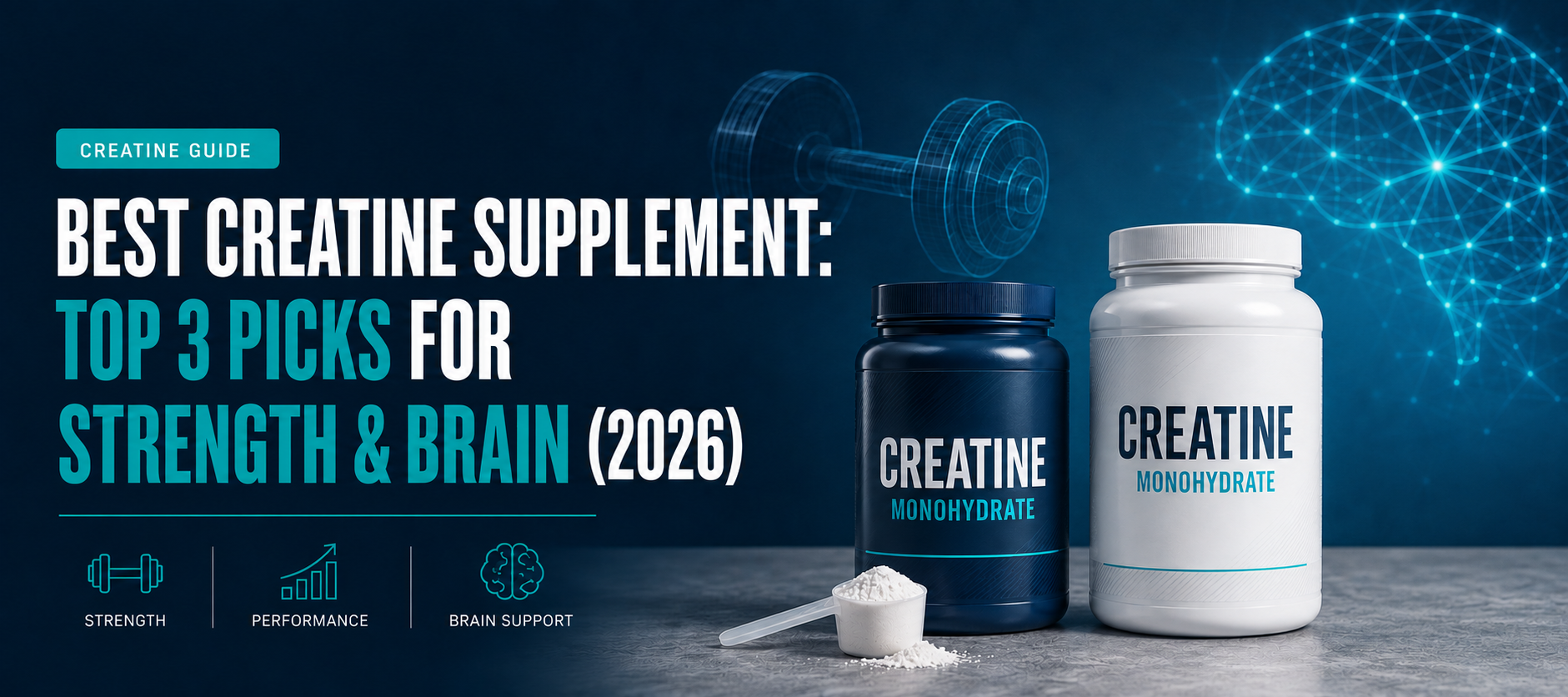
Creatine has spent decades being filed under “bodybuilder supplement” – which is exactly why so many people miss out on it. The reality is different: a best creatine supplement pick is one of the most studied compounds in sports nutrition, and its benefits stretch from raw strength gains to sharper focus during a stressful workday.
If you’re trying to figure out the best creatine supplement for your goals, the good news is that the decision is simpler than most product pages make it look. This guide breaks down what creatine actually does, how to choose a clean and effective product, and which three picks stand out after comparing purity, dosing, and value.
Creatine is a compound your body already produces and stores, mostly in muscle tissue and the brain, using amino acids as raw material. You also get small amounts from red meat and fish, but diet alone rarely maxes out your natural stores.
Supplementing pushes your muscles to hold more phosphocreatine – the fuel source your body taps to regenerate ATP, the energy currency behind short, intense effort. More available ATP translates into more reps, more power output, and faster recovery between hard sets.
Few supplements carry this much research behind them. That’s also part of what makes a best creatine supplement pick straightforward: creatine monohydrate specifically has been studied extensively across sports science literature, with a well-established safety and effectiveness profile that most newer “next-gen” creatine forms simply can’t match yet.
The bodybuilder-only reputation is outdated. Interest in creatine has broadened to office workers, older adults, and women – largely because the brain uses creatine for energy production the same way muscle tissue does.
That overlap is why creatine has picked up a second reputation as a cognitive supplement. Research connects creatine supplementation to improvements in memory, mental processing speed, and reduced mental fatigue – particularly under conditions like sleep deprivation or high stress, when your brain’s energy demand spikes.
| Creatine Monohydrate | Creatine HMB Blend | Micronized Monohydrate | |
|---|---|---|---|
| Best for | Proven strength + value | Strength plus recovery support | Easier mixing, sensitive stomachs |
| Research backing | Most studied form available | Monohydrate base, added HMB research | Same as monohydrate, finer particle size |
| Taste/mixing | Standard solubility | Flavored options available | Dissolves faster, less grit |
| Price per serving | Lowest | Mid-range | Low |
| Good starting pick if | You want the gold standard, no extras | You’re also focused on muscle recovery | You’ve had digestive issues with regular creatine |
All three are legitimate paths to the same core benefit – whichever you choose, you’re getting a genuinely effective creatine supplement, since the differences come down to formulation extras and how your stomach handles them, not the effectiveness of the base ingredient.
Not every tub on the shelf is worth your money. Here’s what actually separates a good creatine supplement from a filler-packed one:
“Creatine causes bloating and water weight everywhere.” Some people taking a best creatine supplement experience mild water retention inside the muscle cells themselves during the first couple weeks – that’s actually part of how it works. It’s not the same as general bloating, and it typically levels off.
“You need to load creatine to see results.” A loading phase (higher doses for the first week) speeds up saturation, but it isn’t required. A steady 3-5g daily dose gets you to the same saturation point within about a month.
“Creatine is a steroid.” It’s not. Creatine is a naturally occurring compound found in food and produced by your own body – it has no hormonal mechanism in common with anabolic steroids.
“Creatine damages your kidneys.” In healthy individuals, standard doses of a best creatine supplement haven’t been shown to harm kidney function. People with pre-existing kidney conditions should still check with a doctor before starting any supplement.
A creatine supplement has one of the cleanest safety profiles of any sports supplement, but a few groups should pause before adding it: anyone with existing kidney disease or a history of kidney issues, and anyone currently on medication that affects kidney function, should talk to a doctor first. It’s also worth checking with a physician if you’re pregnant, breastfeeding, or under 18, since research in those populations is more limited.
A best creatine supplement is one of the rare picks that benefits nearly everyone: athletes and gym-goers chasing strength and performance, people over 40 working to preserve muscle mass and cognitive sharpness, vegetarians and vegans whose diets naturally run low on creatine, women seeking strength and mental clarity benefits, and students or professionals who need sustained focus through a demanding day.
Since “best” depends on what you’re optimizing for, here’s how the three picks above line up against specific goals:
If you want the safest, most verified option – Thorne Creatine Monohydrate is the best creatine supplement pick when third-party testing matters most, since NSF Certified for Sport confirms the product is free of banned substances. This matters even if you’re not a tested athlete, simply as a purity guarantee.
If you’re training for strength and recovery together – Transparent Labs Creatine HMB is the best creatine supplement choice when you want creatine’s strength benefits paired with HMB’s role in reducing muscle breakdown, particularly useful during higher-volume training blocks.
If you’re optimizing for long-term value – Optimum Nutrition Micronized Creatine is the best creatine supplement pick on a per-serving cost basis, with 120 servings and a track record that makes it the most-purchased option in this category.
There’s no wrong choice among the three – all three deliver the core benefit (creatine monohydrate at an effective dose). The difference is which extras and price point match your situation.
How long does it take for creatine to work? Most people notice strength and performance improvements from a best creatine supplement within 2-4 weeks of consistent daily use, sooner if you start with a loading phase.
Do I need to cycle off creatine? No. Creatine monohydrate is considered safe for continuous, long-term daily use without cycling.
Is creatine safe for women? Yes – research shows women see comparable strength and cognitive benefits to men, with no unique safety concerns at standard doses.
Can I take creatine with coffee or pre-workout? Yes, there’s no meaningful interaction. Creatine works independently of caffeine and can be taken alongside it.
Does creatine cause hair loss? The evidence linking creatine to hair loss is limited to a single small study and hasn’t been replicated. For most people, a creatine supplement is not considered a significant hair-loss risk.
Do I need a special creatine supplement for women? No – the same creatine supplement works for men and women. Dosing and benefits don’t differ by sex.
The best creatine supplement doesn’t need to be complicated. Pure Creapure® creatine monohydrate remains the most reliable choice – one ingredient, no fillers, and decades of research behind it. Take 3–5 grams daily, stay consistent, and give it a full month before judging results.
Team SFN.
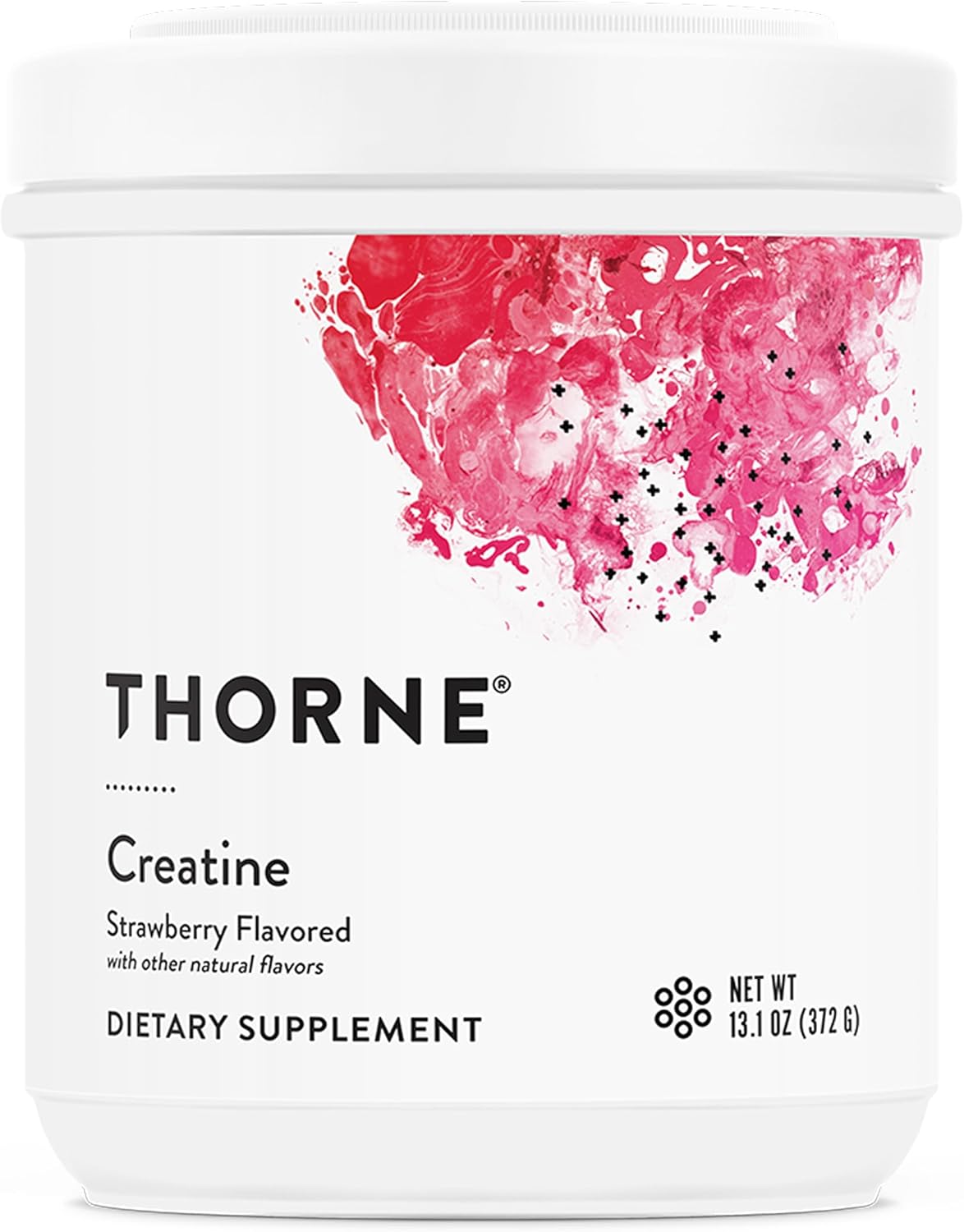
Thorne Creatine is the best overall creatine supplement, combining a clean 5g monohydrate serving with strong sport-quality trust signals. NSF Certified for Sport — the highest certification available. Trusted by professional athletes worldwide.
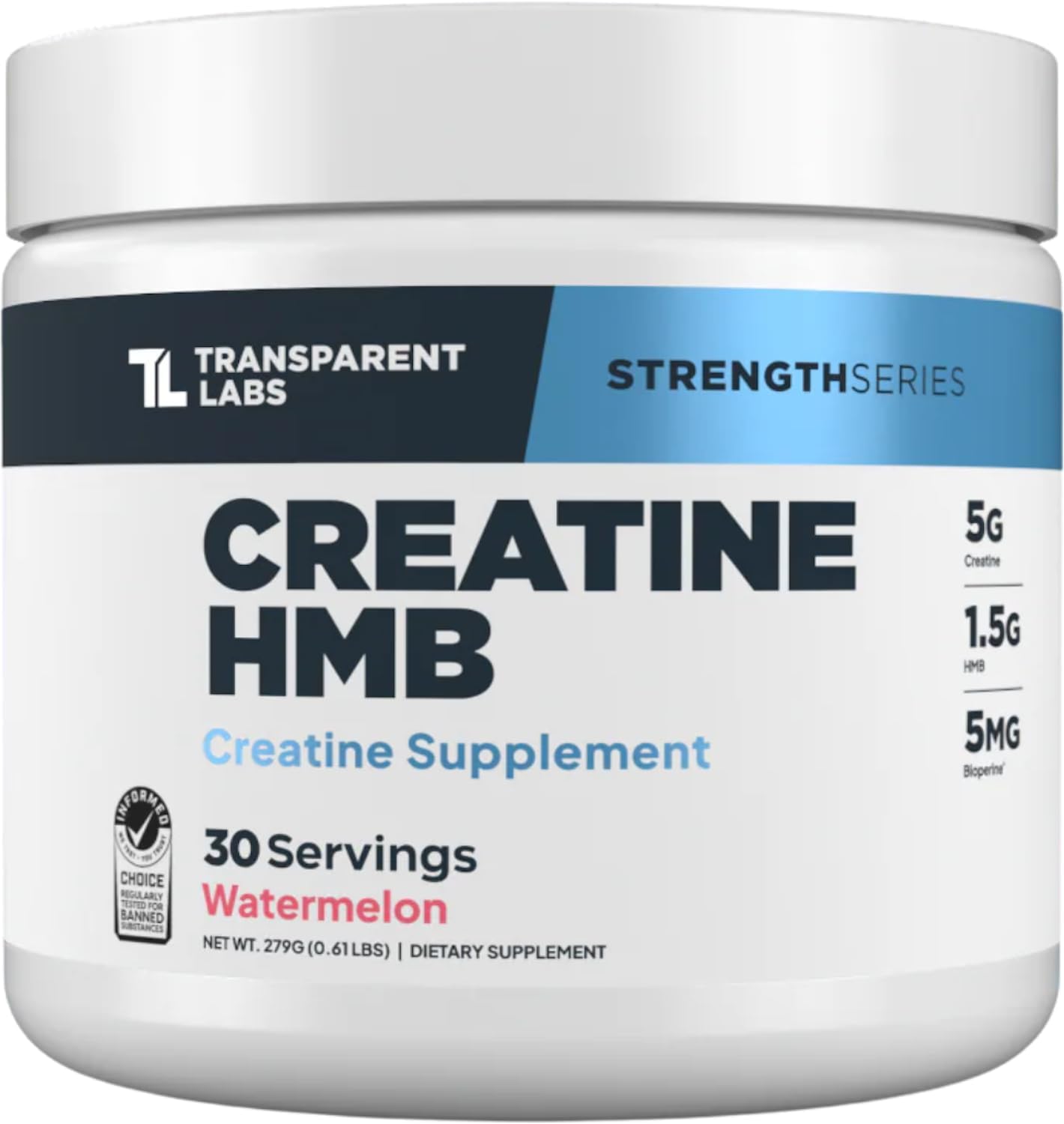
Transparent Labs Creatine HMB is the top creatine supplement powder, pairing creatine monohydrate with clinically effective HMB which may help boost muscle growth, strength, and recovery in one straightforward formula. Third-party tested and naturally sweetened.
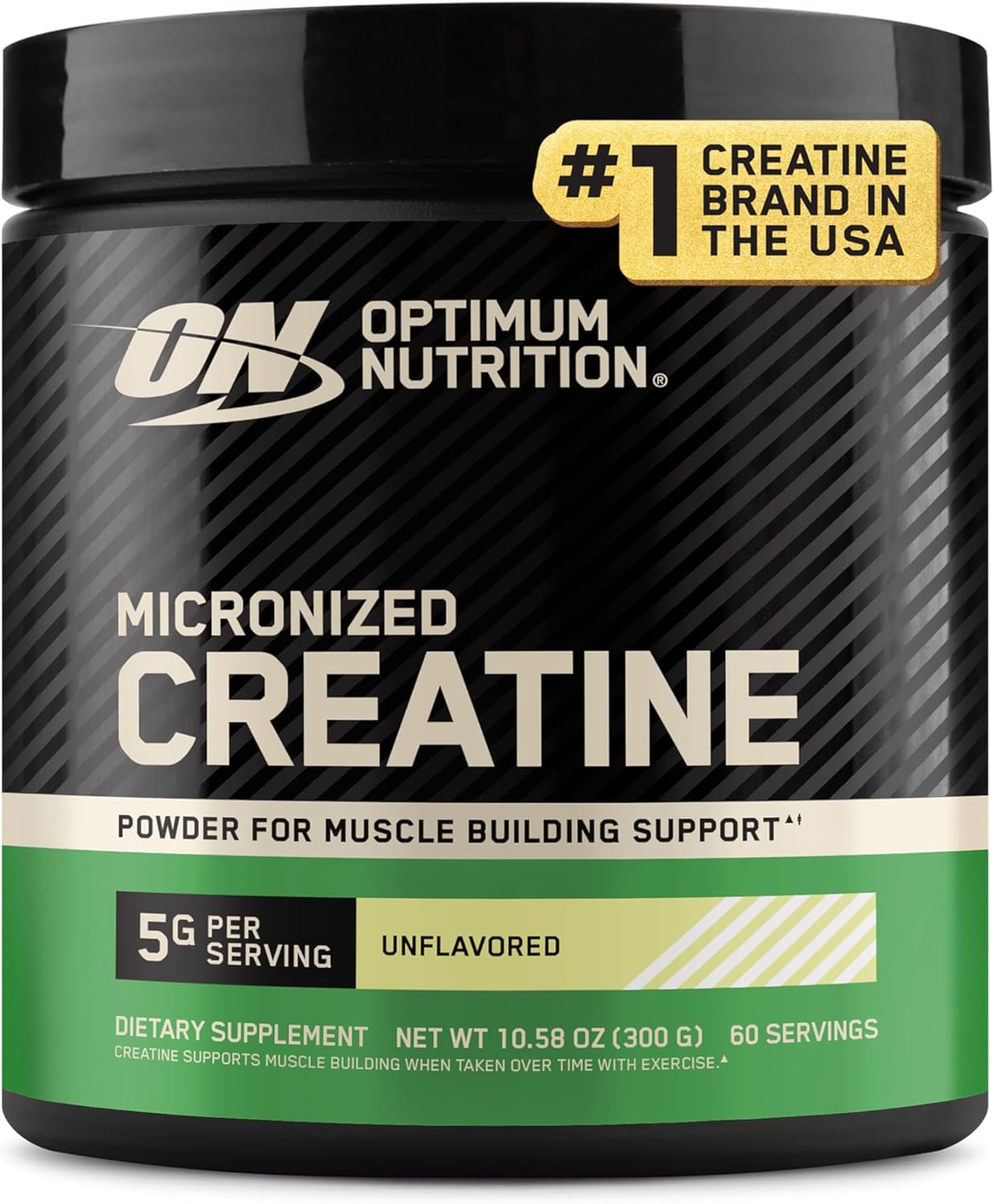
The most widely recognized creatine brand on Amazon with hundreds of thousands of reviews. Pure micronized creatine monohydrate with no fillers. The go-to choice for millions of athletes worldwide at an unbeatable price.