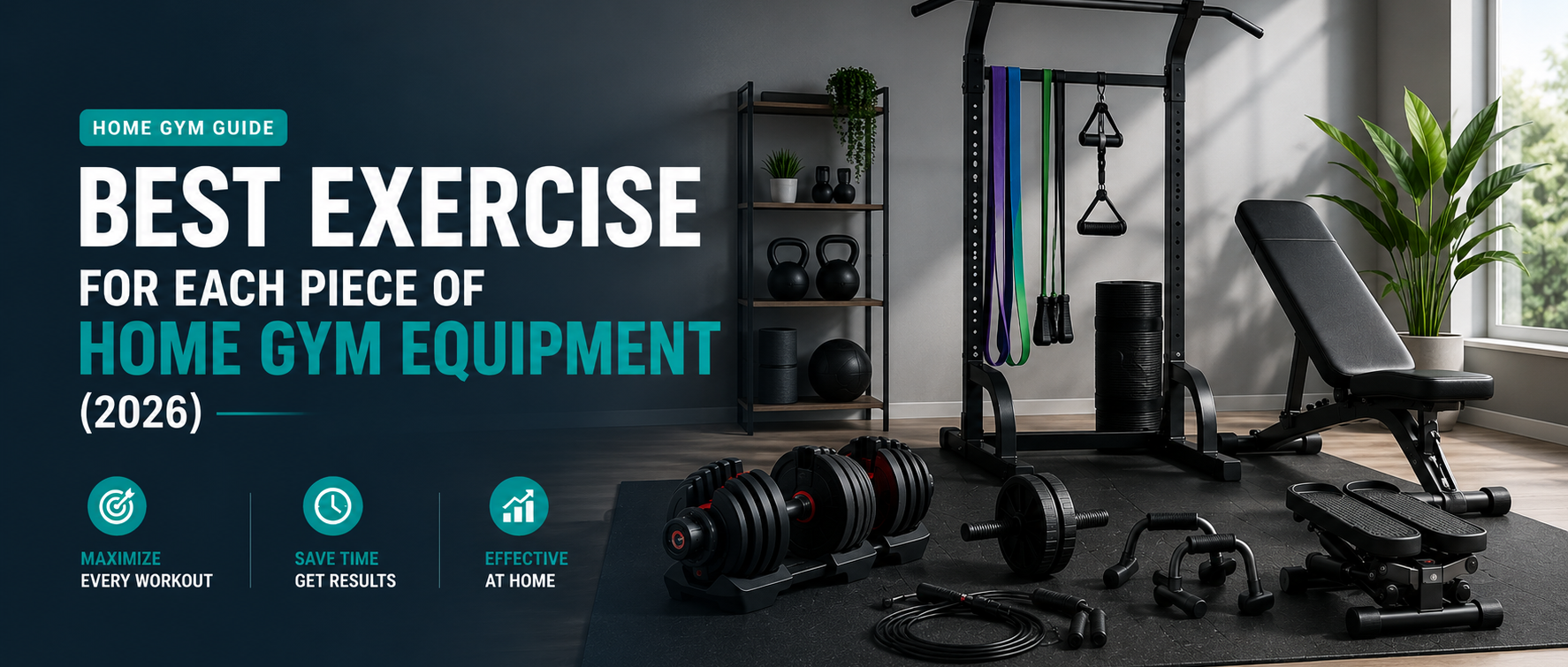
Owning home gym equipment is only half the equation – knowing the best exercise for each piece is what actually gets you results.
It’s a common mistake: people buy the right gear, then never learn the one movement that makes that piece worth owning. A resistance band without the right exercise just sits in a drawer. An ab roller used incorrectly can do more harm than good. The goal of this guide is to close that gap – matching each item in a beginner’s home gym equipment lineup with the single exercise that gets the most out of it.
Instead of guessing your way through a routine, this guide breaks down the single best exercise for each of the most common home gym equipment essentials, plus a few workout supplements worth considering alongside your training. Whether you own one piece of equipment or all eight, you’ll walk away knowing exactly what to do with it.
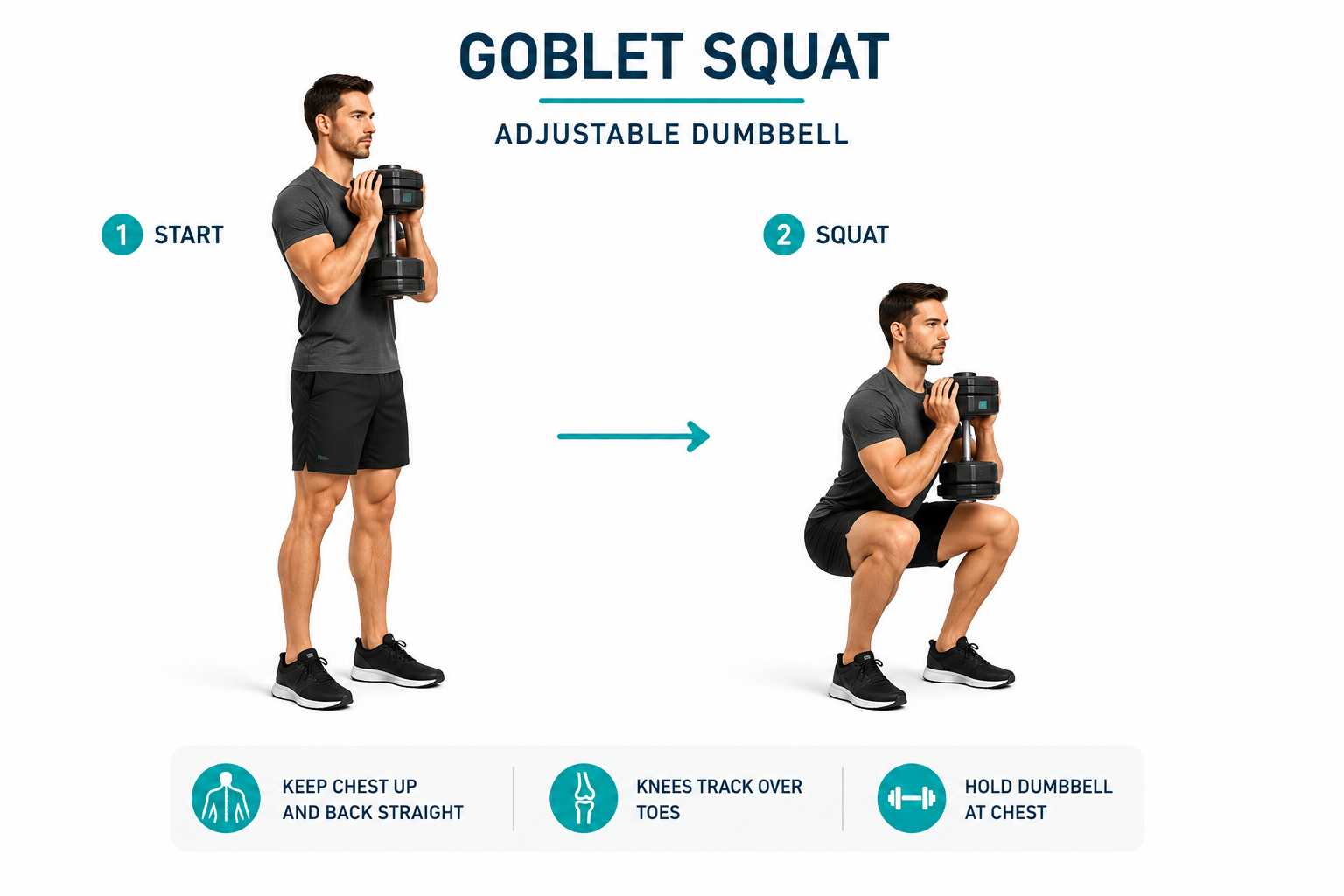
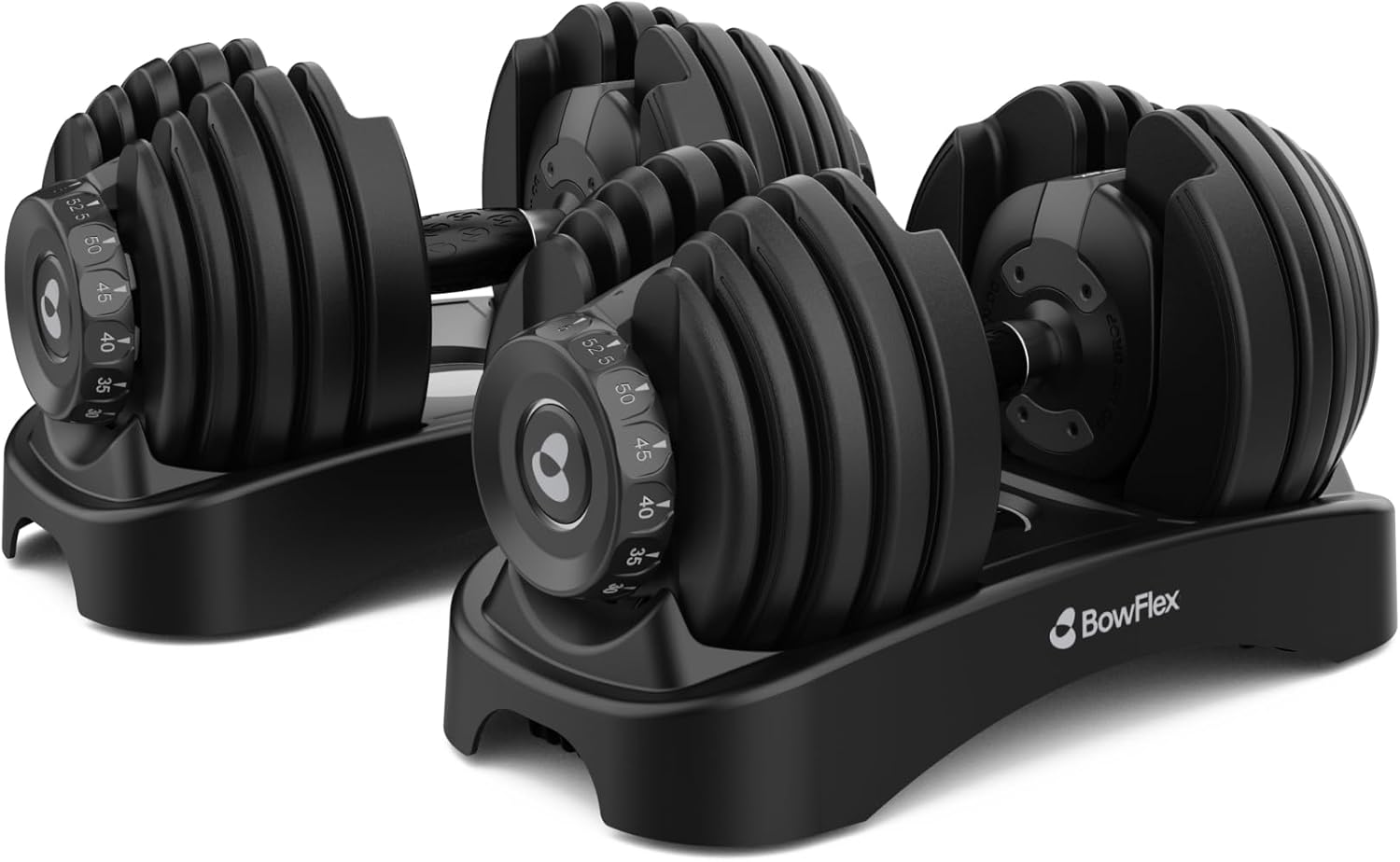
The goblet squat is one of the most efficient full-body movements you can do with adjustable dumbbells. Holding the weight at chest height forces good posture while working your quads, glutes, and core simultaneously — making it a foundational move for beginners and experienced lifters alike.
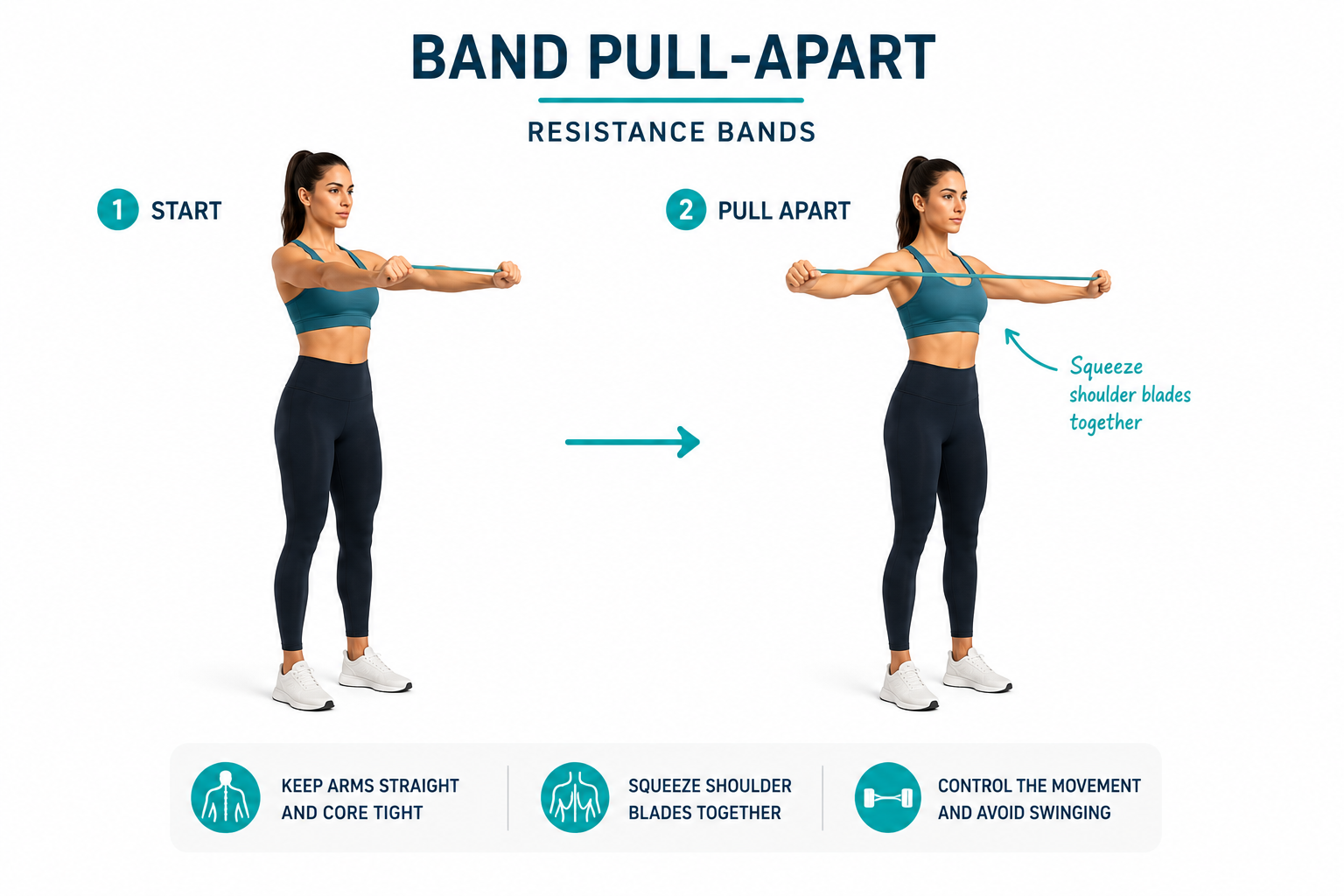
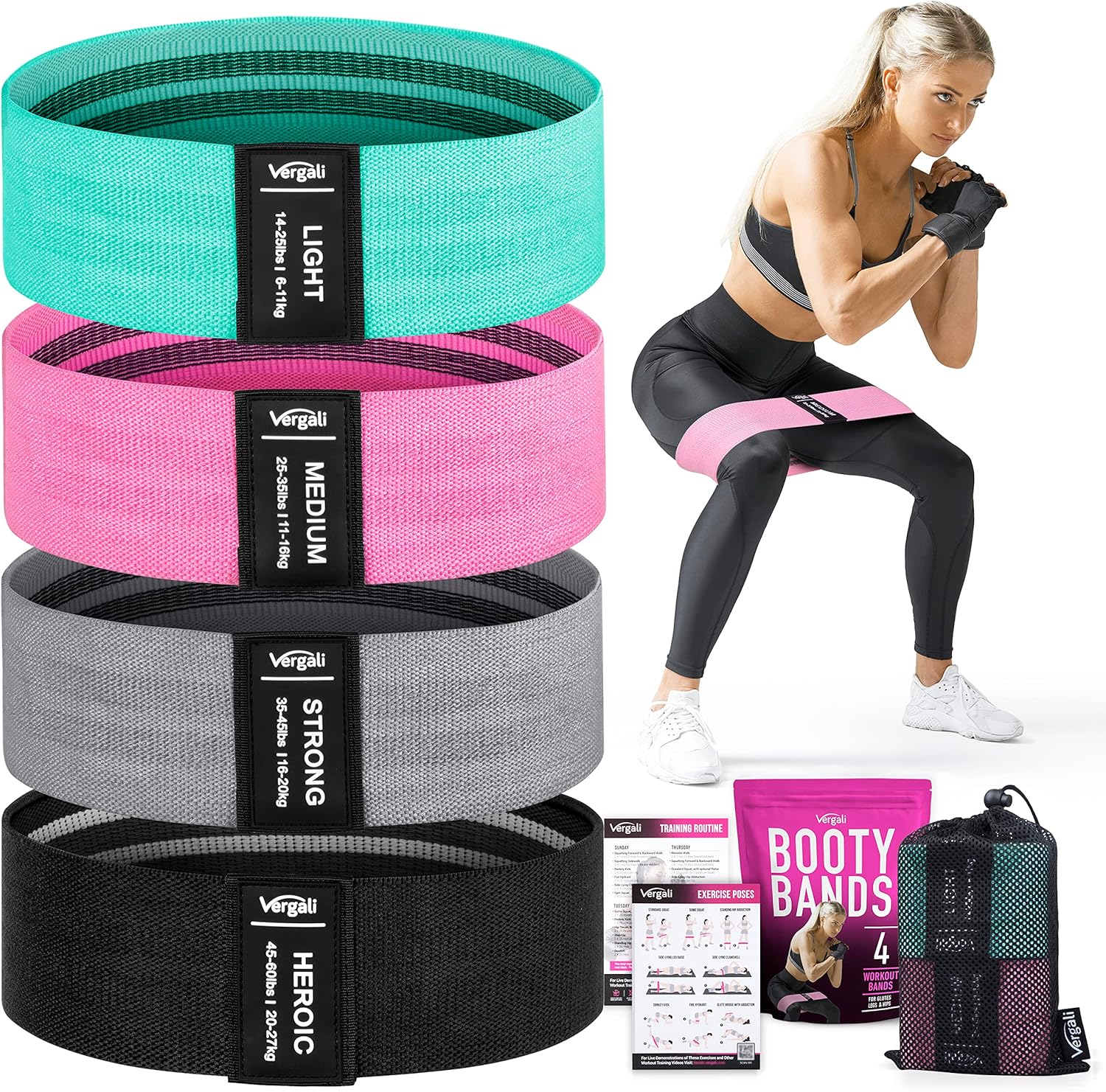
The banded pull-apart is a simple but powerful move using resistance bands that strengthens the upper back and shoulders – muscles that are often neglected and contribute to poor posture. Hold the band at chest height, pull it apart by squeezing your shoulder blades together, and slowly return.
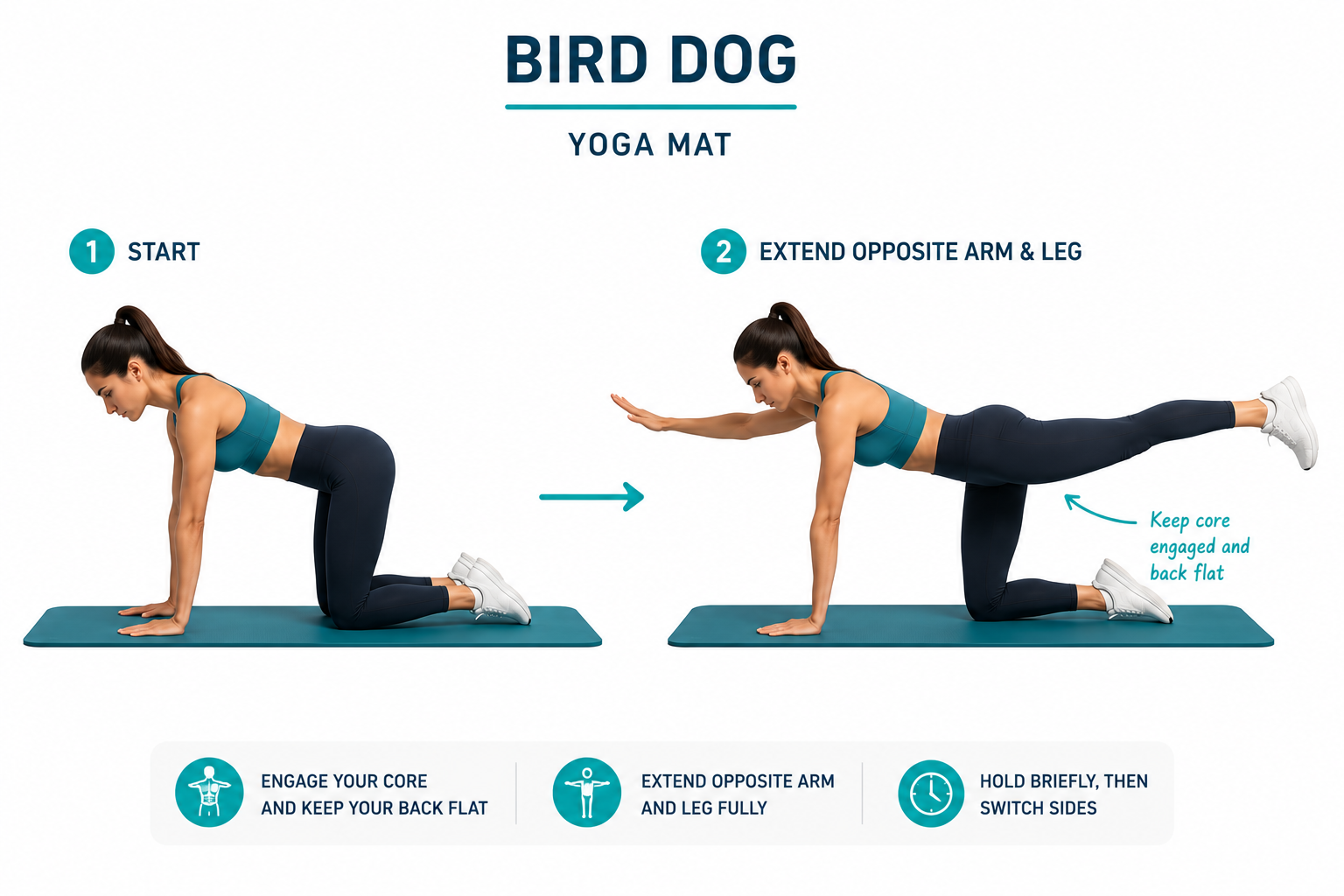
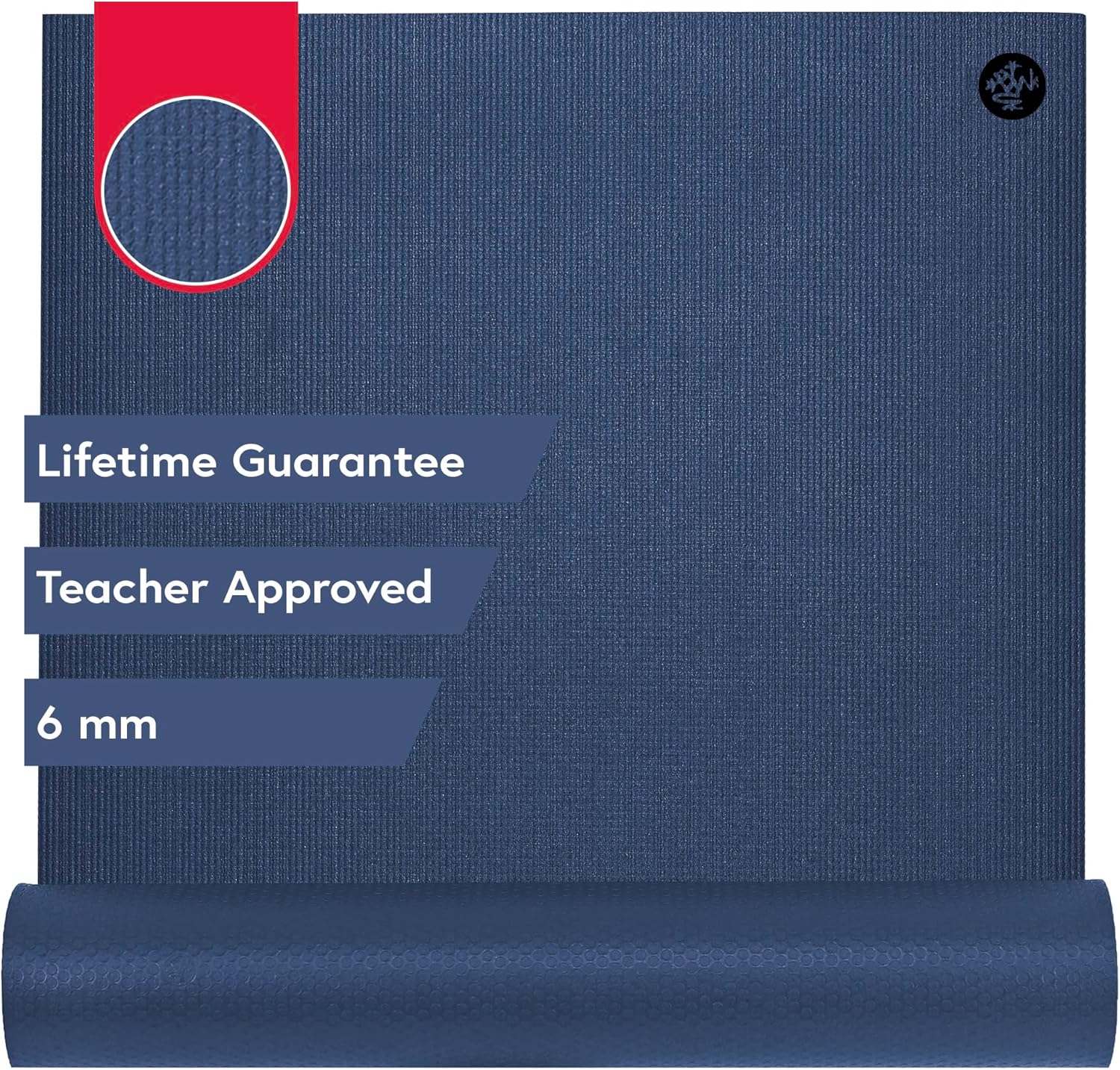
The bird dog is a core-stability exercise best done on a yoga mat for cushioning and grip. From a hands-and-knees position, extend opposite arm and leg simultaneously, holding briefly before switching sides. It builds core control without any strain on the spine.
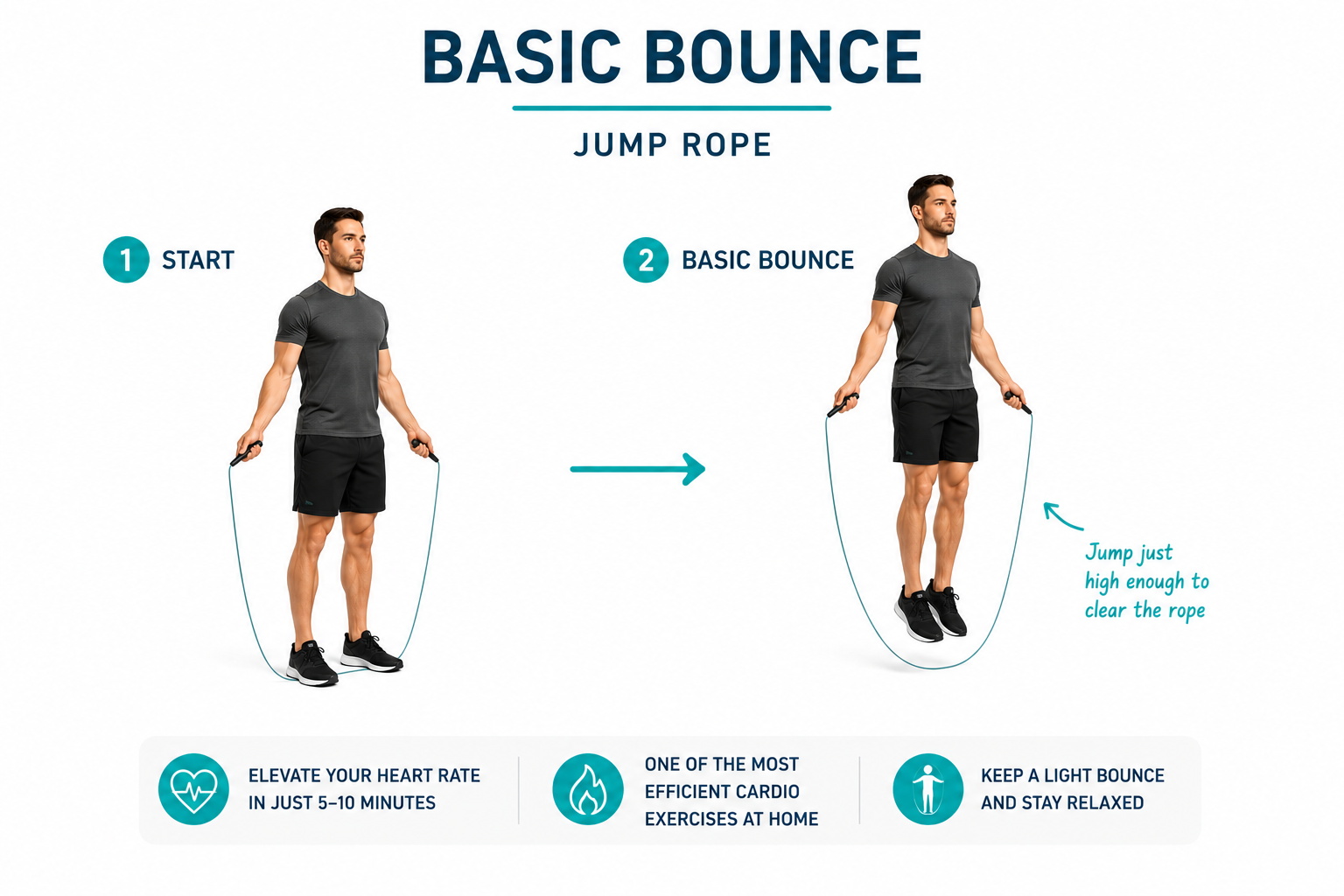
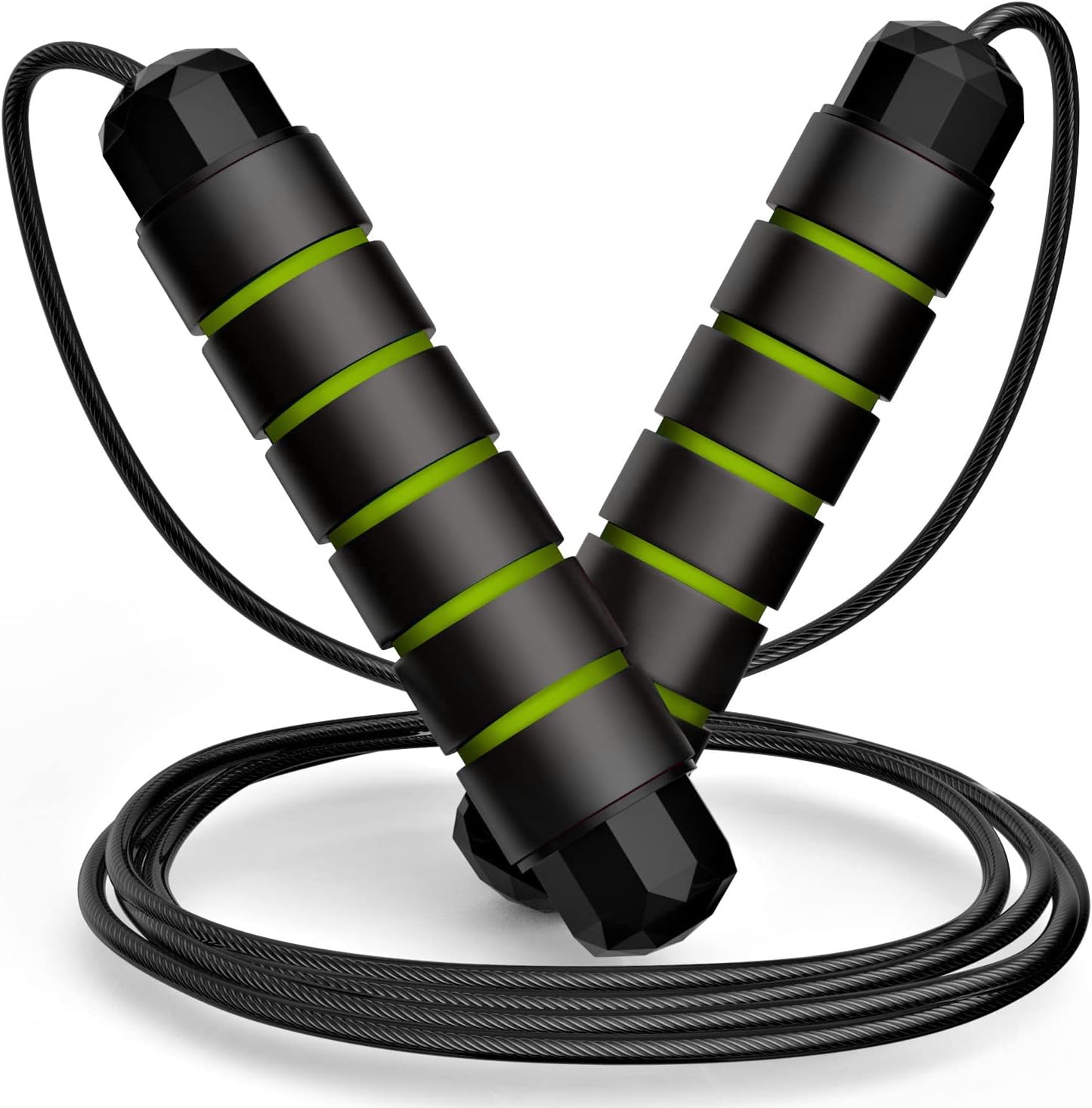
The basic two-foot bounce is the foundation of all jump rope work. Using a jump rope for even 5-10 minutes elevates heart rate quickly, making it one of the most time-efficient cardio exercises available at home.
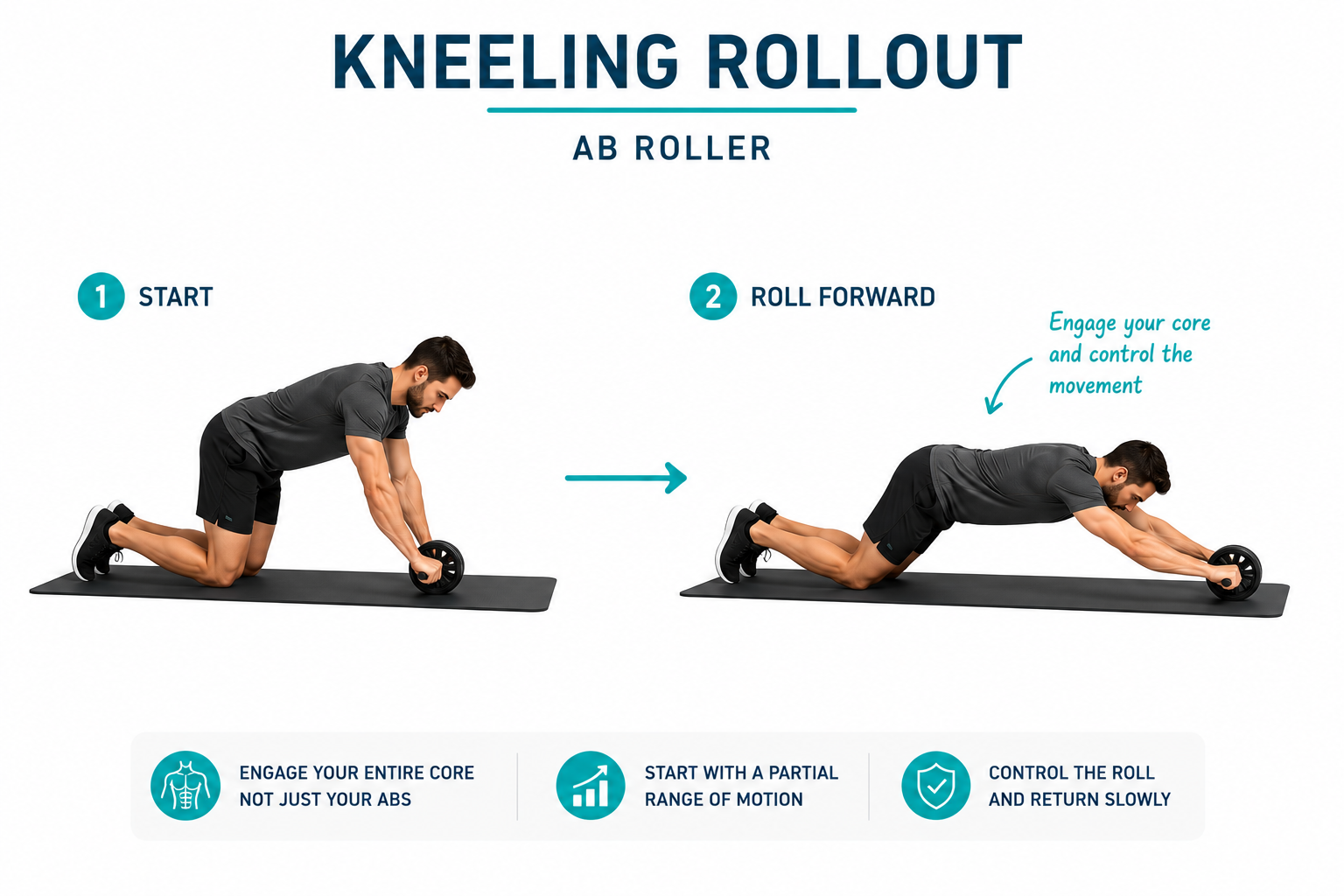
The kneeling rollout is the signature move for an ab roller, engaging the entire core – not just the abs – as you roll forward and control the return. Starting with a partial range of motion is key for beginners before progressing to a full rollout.
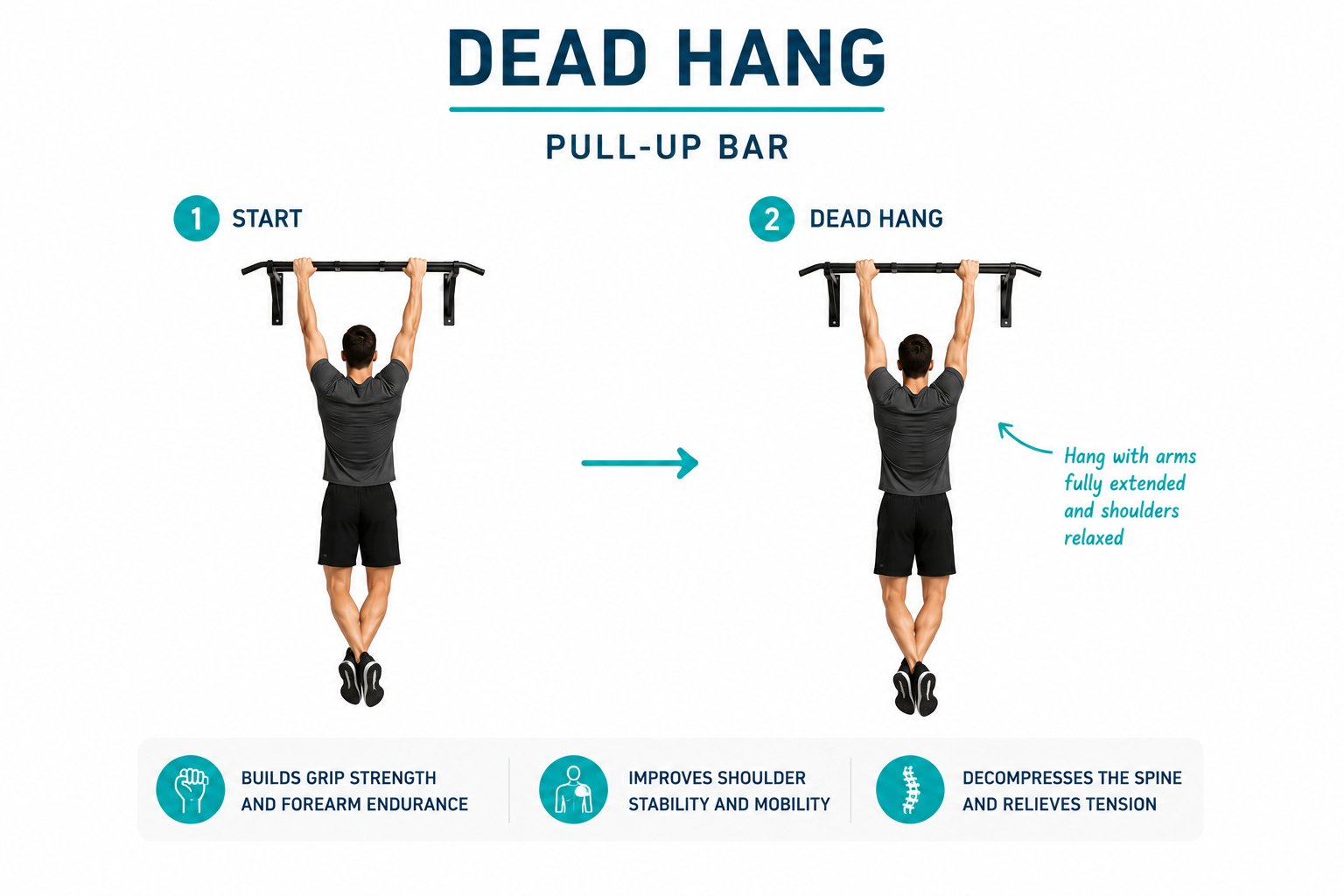
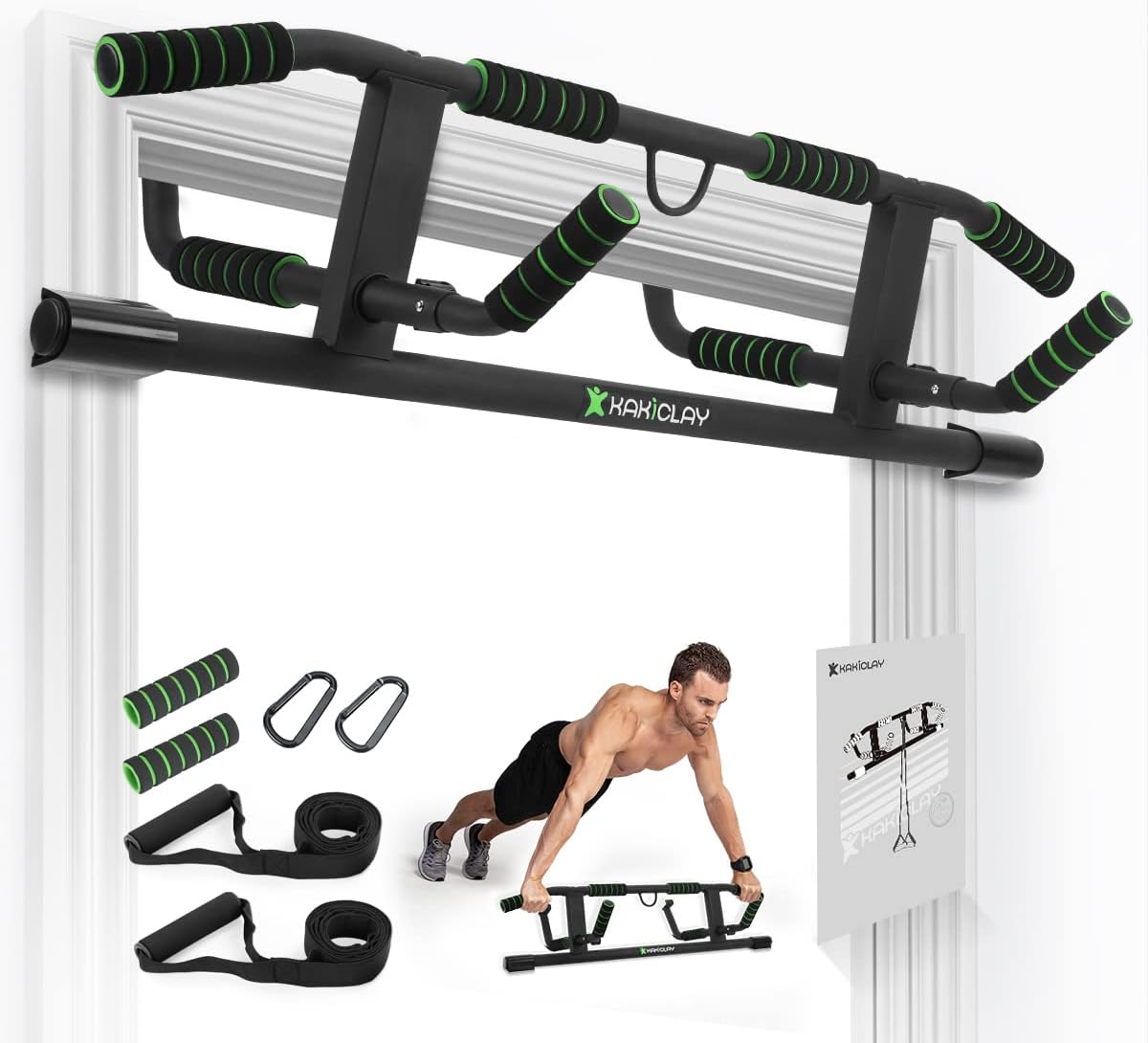
Before attempting full pull-ups, the dead hang builds grip strength and shoulder stability using a pull-up bar. Simply hang with arms fully extended for time – it’s a foundational move that also decompresses the spine after a day of sitting.
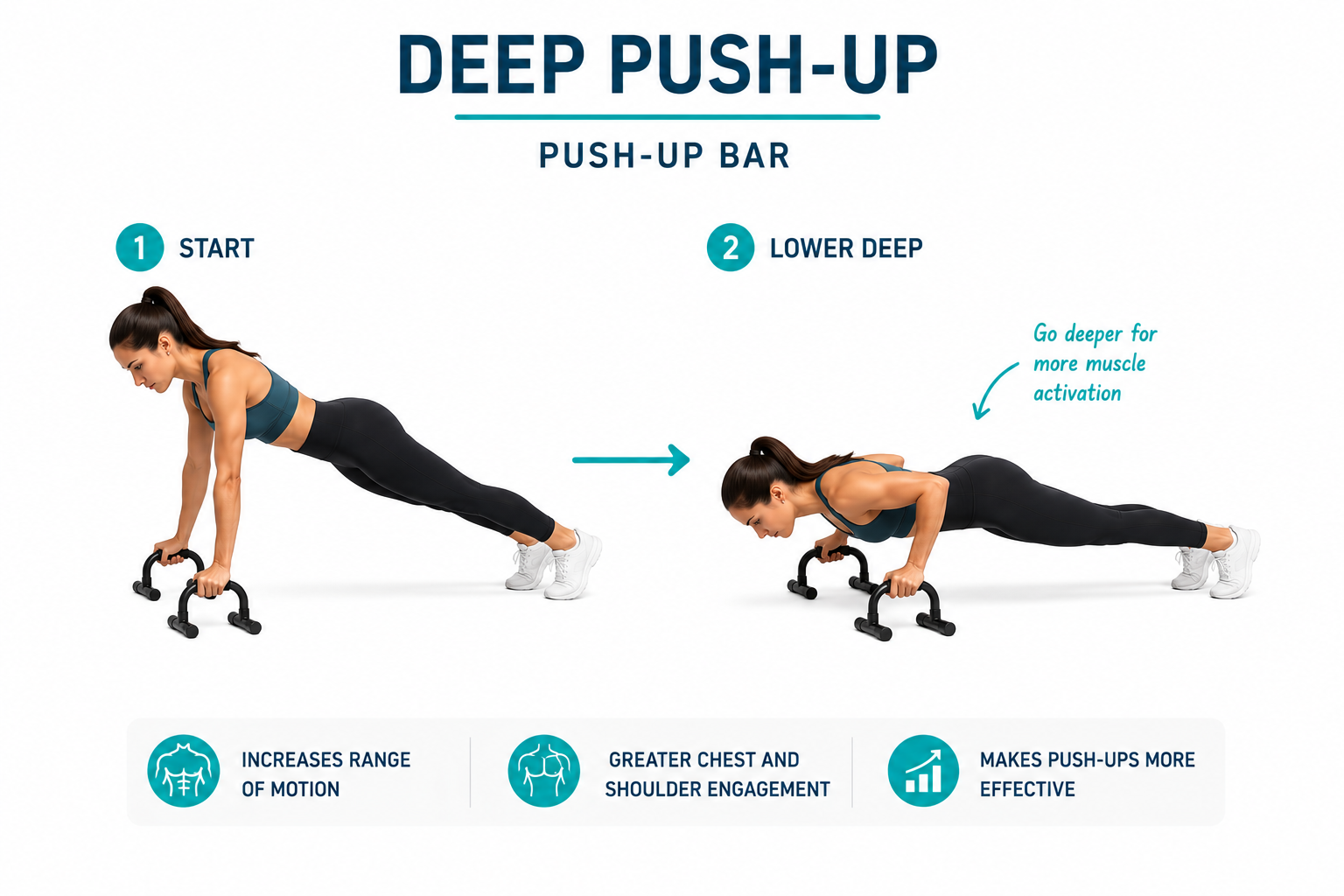
Push-up bars allow a deeper range of motion than standard push-ups on the floor. The added depth increases chest and shoulder engagement, making the classic push-up noticeably more effective.
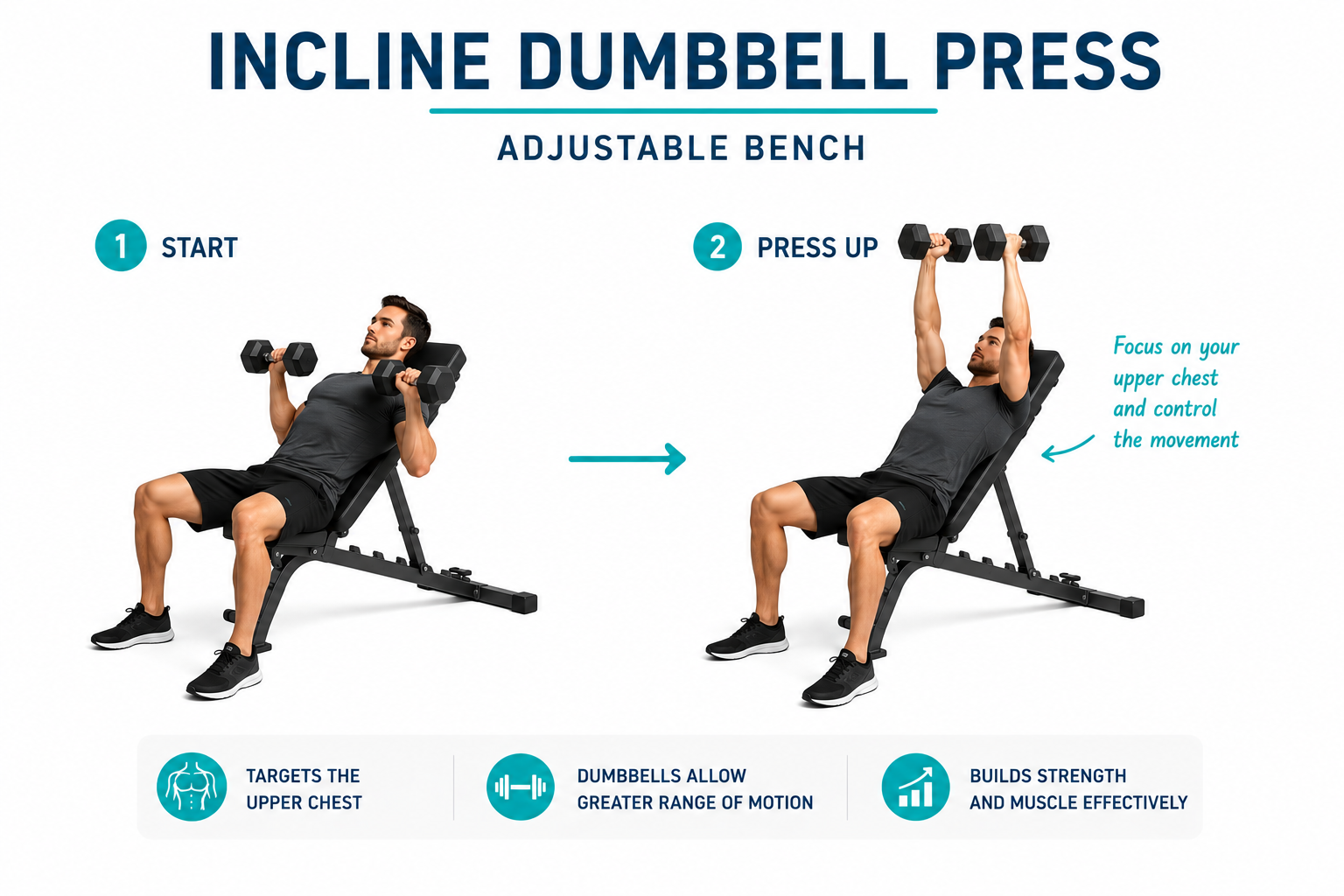
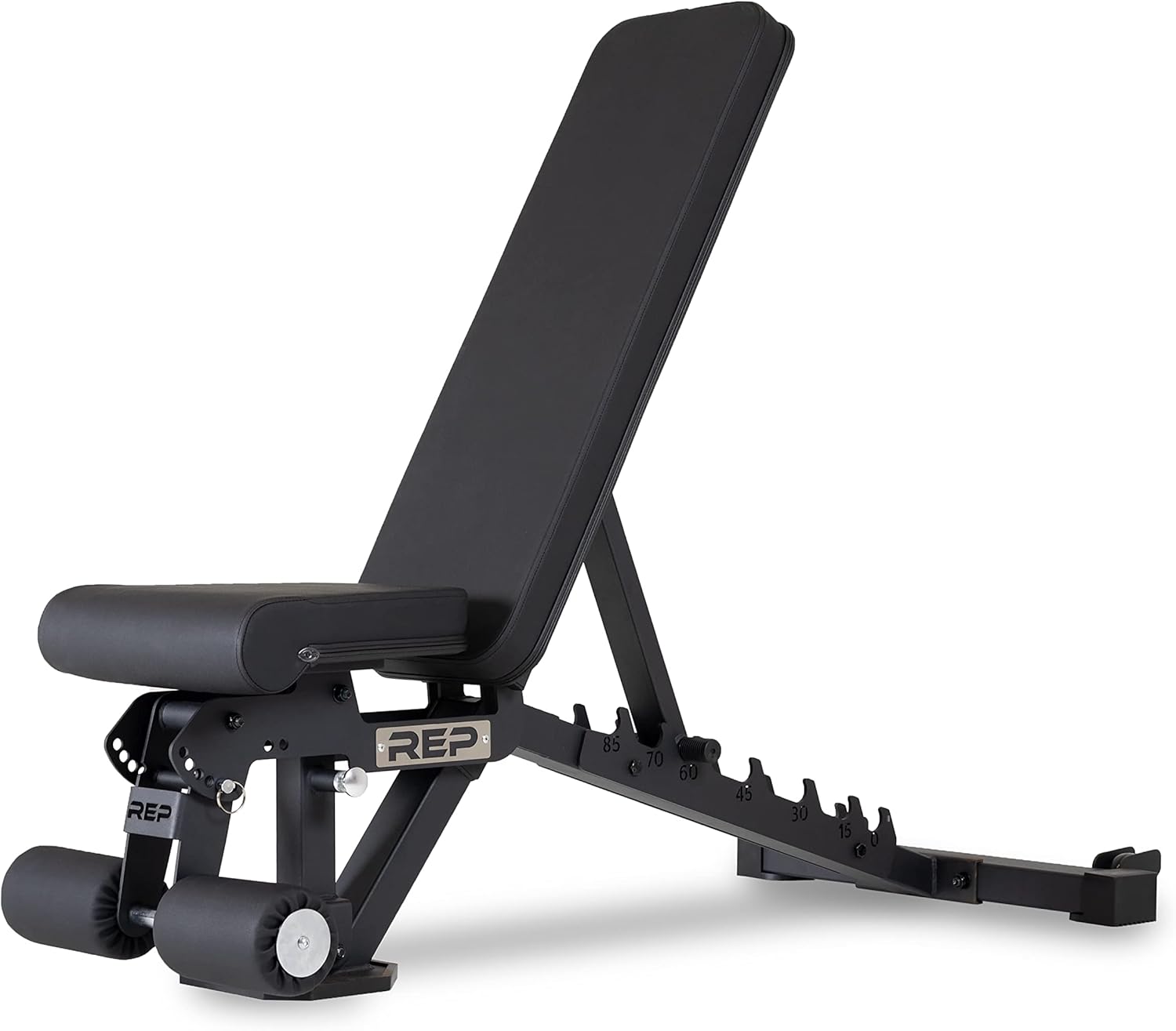
Pairing an adjustable bench with dumbbells opens up the incline press, which targets the upper chest more directly than a flat press – an angle that’s hard to train effectively without a bench.
Exercise is the foundation, but the right supplements can support recovery and performance around your training:
Do I need all eight pieces of equipment to get a good workout? No. Even 2-3 pieces – like resistance bands, a yoga mat, and a jump rope – can cover strength, mobility, and cardio in a single routine.
How often should I do these exercises? Most beginners see good results training 3-4 times per week, allowing rest days between sessions targeting the same muscle groups.
Should I take supplements even as a beginner? Supplements aren’t required to see results, but products like protein powder and creatine are well-studied and can support consistent training over time.
Can I combine multiple exercises from this list into one workout? Yes – combining a few of these movements (e.g., goblet squats, push-ups, banded pull-aparts, and a rollout) makes for an efficient full-body session.
Every piece of home gym equipment has a standout exercise that makes the most of it – from goblet squats with dumbbells to rollouts with an ab roller. Pair your training with supportive supplements like creatine or protein powder, and you have everything needed for a complete, effective home workout routine.
Team SFN