

Gut health has become one of the most searched wellness topics of 2026 – and for good reason. Your gut microbiome doesn’t just break down food; it influences immunity, mood, inflammation, and even how well you absorb nutrients from everything else you eat. But the supplement aisle makes it look more complicated than it needs to be, stacking together ingredients that don’t all do the same job.
This guide breaks down what actually supports gut health, why probiotics, magnesium, and omega-3 each play a real but different role, and which three picks are worth adding to your gut health supplements routine in 2026.
Your digestive tract hosts trillions of bacteria, collectively called the gut microbiome. When that ecosystem is balanced, digestion runs smoothly, your immune system gets clearer signals, and inflammation stays in check. When it’s out of balance – from stress, antibiotics, poor sleep, or a low-fiber diet – you feel it: bloating, irregularity, sluggish energy, even skin flare-ups.
No single supplement “fixes” the gut on its own. The most effective gut health supplements approach combines three things: bacteria that restore balance, minerals that support regularity, and fats that calm systemic inflammation. That’s exactly where probiotics, magnesium, and omega-3 fit – each solving a different piece of the puzzle.
The gut-brain connection is one of the most studied areas in nutrition science right now. Roughly 90% of the body’s serotonin – a key mood-regulating chemical – is produced in the gut, not the brain. That’s part of why chronic digestive issues so often show up alongside low energy, poor sleep, or a foggy mood.
A healthy gut also plays a direct role in immune function, since a large share of your immune tissue lives in the digestive tract. Supporting your gut isn’t just about avoiding bloating after meals – it’s foundational to how the rest of your body functions.
| Probiotics | Magnesium | Omega-3 | |
|---|---|---|---|
| Best for | Rebalancing gut bacteria | Bowel regularity, muscle relaxation | Reducing gut-related inflammation |
| How it helps | Restores beneficial strains, crowds out harmful bacteria | Draws water into the intestines, eases movement | Calms inflammation linked to digestive discomfort |
| Direct microbiome effect | Yes – the core lever | No — supports function, not bacteria balance | No – supports the environment, not bacteria balance |
| Good starting pick if | You deal with bloating, irregularity, or recently took antibiotics | You struggle with sluggish bowel movements | You deal with general digestive inflammation or joint/gut overlap symptoms |
None of the three replaces the others – they work on different layers of the same system, which is why a gut health supplements routine built around all three tends to outperform any single ingredient alone.
Not every product on the shelf pulls its weight. Here’s what actually separates an effective pick from a filler-packed one:
“More CFUs always means a better probiotic.” A higher CFU count doesn’t automatically outperform a lower one with better-researched strains. Strain diversity and survivability matter more than the raw number on the label.
“You need a prescription-strength probiotic to see results.” Over-the-counter multi-strain probiotics have solid research behind them for common issues like occasional bloating and irregularity; prescription-strength options are typically reserved for specific medical conditions.
“Magnesium is only for sleep.” Sleep support gets the spotlight, but magnesium citrate’s role in drawing water into the intestines makes it one of the most practical tools for occasional constipation.
“Omega-3 only matters for heart health.” Heart health is the headline benefit, but omega-3’s anti-inflammatory effect extends to the gut lining, which is part of why it shows up so often in gut health supplements stacks.
These three supplements have strong safety profiles, but a few groups should check with a doctor first: anyone on blood thinners (omega-3 can have a mild blood-thinning effect), anyone with kidney disease (magnesium is cleared by the kidneys), and anyone immunocompromised or recovering from a serious illness (probiotics are generally safe, but medical guidance is worth getting first in these cases).
This gut health supplements stack is a fit for: anyone dealing with occasional bloating or irregularity, people who’ve recently finished a course of antibiotics, anyone under regular stress (which disrupts gut bacteria balance), and anyone looking for a foundational wellness routine rather than a symptom-specific fix.
Since gut health isn’t one-size-fits-all, here’s how to prioritize based on what you’re dealing with:
If bloating or irregularity is your main issue – Start with a multi-strain probiotic like Physician’s Choice Probiotics 60 Billion CFU, since restoring bacterial balance addresses the root cause rather than just the symptom. For a deeper look at strain selection, our full probiotic guide breaks it down further.
If sluggish digestion or occasional constipation is the issue – Natural Vitality CALM (magnesium citrate) is the most direct fix, since it works mechanically to draw water into the intestines.
If general inflammation or a sluggish gut lining is the concern – Nordic Naturals Ultimate Omega provides a research-backed anti-inflammatory foundation that supports the gut environment over time.
There’s no single “best” pick here – the three work together, and which one to prioritize first depends on your specific symptoms.
How long does it take to see results from gut health supplements? Most people notice changes in digestion and bloating within 2–4 weeks of consistent daily use.
Can I take probiotics, magnesium, and omega-3 together? Yes – there’s no known negative interaction between the three, and many people take all three as a daily stack.
Do I need to refrigerate probiotics? It depends on the strain – check the label. Many modern shelf-stable formulas don’t require refrigeration.
Will magnesium cause diarrhea? At high doses, magnesium citrate can have a laxative effect – that’s actually why it helps with regularity. Starting at a lower dose avoids overshooting.
Is fish oil enough, or do I need a specific gut-focused omega-3? Standard high-quality fish oil (EPA/DHA) is sufficient – there’s no need for a specialized “gut” formula.
Gut health doesn’t need to be complicated. A multi-strain probiotic to rebalance your microbiome, a citrate-form magnesium to support regularity, and a research-backed omega-3 to keep inflammation in check – together, these three cover the foundational bases most gut health supplements are missing on their own. Give it a full month before judging results, and introduce them one at a time.
Team SFN.
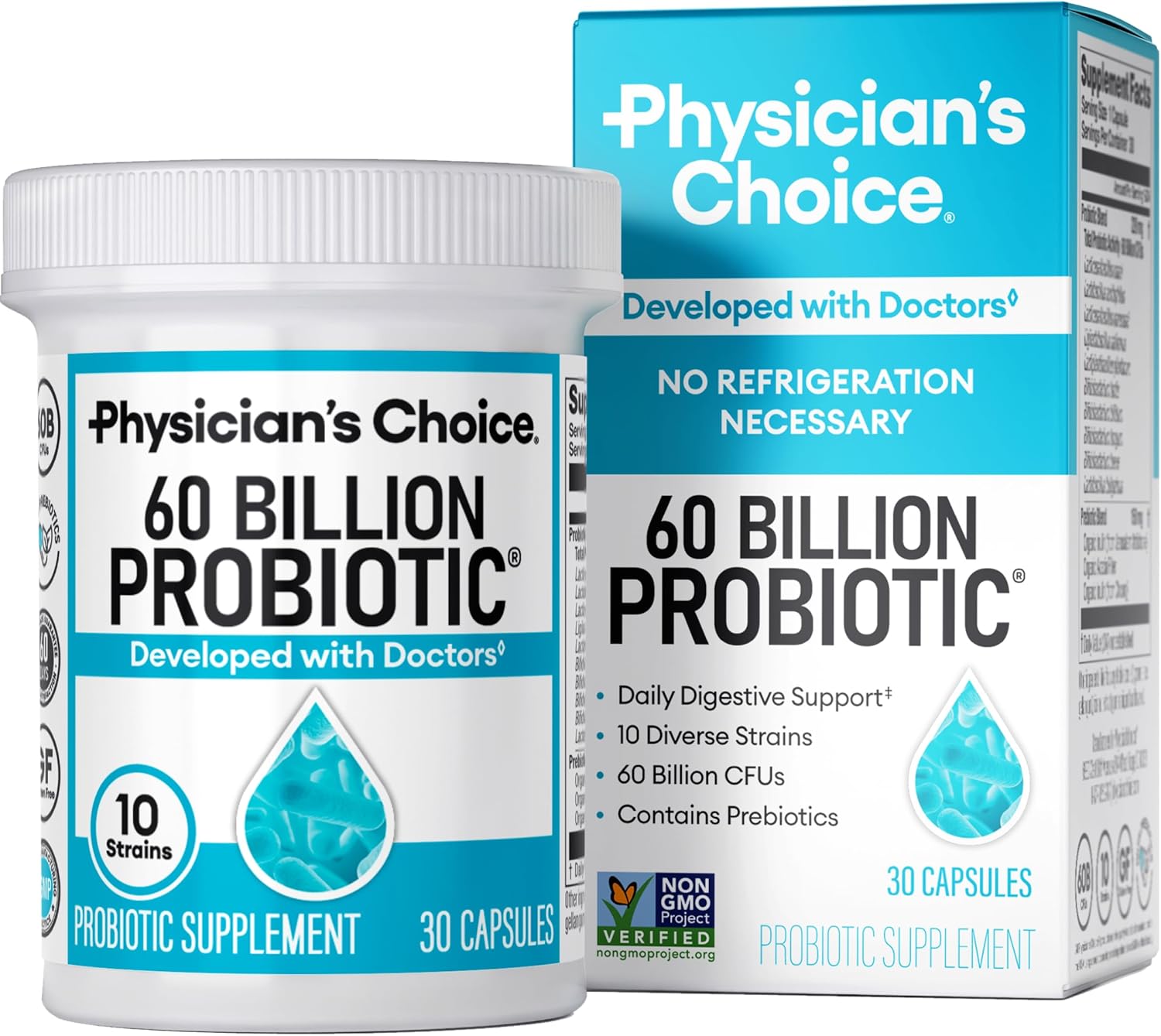
The #1 best selling probiotic on Amazon with over 100,000 monthly orders. 60 billion CFU across 10 strains with organic prebiotics included. Supports digestive health, immunity, bloating, gas, and constipation. Suitable for both men and women.

Looking to unwind? This best-selling magnesium powder offers a gentle way to relax, reduce stress, and support your sleep. With its natural lemon flavor and easy-to-mix formula, CALM helps restore healthy magnesium levels — fast.
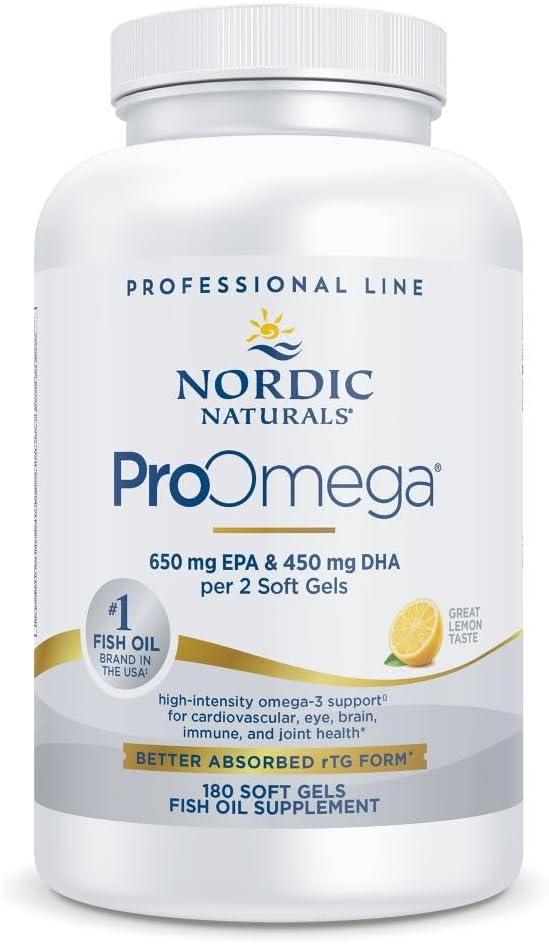
The gold standard in fish oil supplements, recommended by healthcare professionals worldwide. Delivers 1,280mg of EPA and DHA in triglyceride form for maximum absorption. Pleasant lemon flavor with no fishy aftertaste.