
Some of the links on this site are affiliate links. This means that if you click and buy, we may earn a small commission – at no additional cost to you. Learn more >
As an Amazon Associate we earn from qualifying purchases – at no additional cost to you.
By, SFN Pro · Last updated October 12, 2026 · Educational information only, not medical advice.
Quick answer: Neither one wins for everyone. Zinc is more likely to be your gap if you eat little meat, shellfish, or dairy. Vitamin C is more likely to be your gap if you eat few fruits and vegetables. Taking both at sensible doses is fine for most healthy adults, and food should come first.
Zinc vs vitamin C is one of the most common supplement questions as the weather cools, and for good reason. Both show up on almost every “immune support” label, both are affordable, and both are easy to find. But they do different jobs, and picking the wrong one for your goal can mean spending money on the wrong bottle.
Vitamin C is a water-soluble antioxidant. It protects your cells, helps your body build collagen, and supports several immune cell functions. Zinc is a trace mineral that helps hundreds of enzymes work, including the ones involved in immune defense and wound healing.
This guide breaks down zinc vs vitamin C by what each one does, what the research says about colds (including a few details most supplement pages leave out), who tends to need which, and whether it makes sense to take both.
In the zinc vs vitamin C comparison, zinc is the “builder and repairer.” Your body needs it for immune cell development, DNA synthesis, protein production, and tissue repair.
What zinc actually does:
The catch: Your body has no dedicated zinc storage, so you rely on regular intake from food or supplements. Good dietary sources include meat, shellfish, dairy, eggs, and legumes. Plant-based eaters can absorb less zinc from their food, because compounds in whole grains and legumes bind to it.
For our top picks, see our best zinc supplements guide or browse the zinc page:
On the other side of zinc vs vitamin C, vitamin C is the “protector.” It neutralizes unstable molecules called free radicals, and it is essential for making collagen, the protein that holds skin, tendons, and blood vessels together.
What vitamin C actually does:
The catch: Your body can’t make vitamin C and stores only limited amounts. It is water-soluble, so what you don’t use is largely excreted. That is why steady daily intake matters more than a single large dose. Citrus, peppers, kiwi, strawberries, and broccoli are all rich sources. If collagen is your main goal, our collagen page covers that side.
For a deeper dive, read our vitamin C guide or visit the vitamin C page:
The biggest difference is the type of nutrient and the job it does.
Zinc: A mineral that works as a cofactor, meaning it helps enzymes and immune cells do their work. It is most associated with immune development, wound healing, and skin repair.
Vitamin C: A vitamin that works as an antioxidant and as a collagen-building nutrient. It is most associated with cell protection, skin structure, and iron absorption.
In practice, this is not a competition. Think of zinc as helping your immune cells function, and vitamin C as protecting them and the tissue around them while they do it.
|
Zinc |
Vitamin C |
|
|---|---|---|
|
Type |
Essential trace mineral |
Water-soluble vitamin and antioxidant |
|
Main role |
Immune function, wound healing, enzyme activity |
Antioxidant defense, collagen formation, iron uptake |
|
Best for |
Immune support, skin repair, tissue repair |
Antioxidant support, skin structure, general wellness |
|
Daily need (US adults) |
8 mg for women, 11 mg for men |
75 mg for women, 90 mg for men |
|
Upper limit (adults) |
40 mg per day |
2,000 mg per day |
|
Stored in the body |
No dedicated storage |
Very limited |
|
Best taken |
With food if it upsets your stomach |
Any time, with or without food |
|
Main caution |
Long-term high doses can lower copper |
Very high doses can cause stomach upset |
|
Food sources |
Meat, shellfish, dairy, eggs, legumes |
Citrus, peppers, kiwi, strawberries, broccoli |
This is where most people search, so it’s worth being honest about what the evidence does and doesn’t show.
Vitamin C: A major Cochrane review from 2013 found that taking vitamin C regularly did not reduce how many colds people in the general population caught. It did modestly shorten how long colds lasted. The exception was a small group of trials in people under heavy short-term physical stress, such as marathon runners and skiers, where regular vitamin C roughly halved cold risk. Starting vitamin C after symptoms begin has not shown a reliable benefit.
Zinc: The picture is less clear than most supplement pages suggest. A 2024 Cochrane review on zinc and the common cold concluded that the evidence was not strong enough to recommend zinc for preventing or treating colds. Some trials found that zinc lozenges started early shortened colds, but most of the evidence was low certainty, and researchers disagree about how to read it. Just as important, those trials mostly used lozenges, with daily doses often well above the 40 mg upper limit for adults. That is very different from taking a daily capsule, so the cold results don’t directly apply to the 15–30 mg products above.
The honest takeaway for zinc vs vitamin C: neither one is a cold cure or a force field. Both are supportive, and the benefit is most likely if you were low in the nutrient to begin with. Sleep, food quality, and training load still do most of the heavy lifting. For a broader look, see our best supplements for immune support guide.
If you can only pick one, the decision comes down to your goals and your diet.
Choose zinc if:
Choose vitamin C if:
A simple way to think about zinc vs vitamin C: zinc helps your immune system do its job, and vitamin C helps protect the cells and tissue doing it. If your diet is already rich in citrus, peppers, and greens, zinc is often the bigger gap. If you eat plenty of meat and dairy but few fruits and vegetables, vitamin C is more likely to be the missing piece.
Yes. There is no known interaction that stops them working together, and many formulas combine them. Garden of Life Raw Zinc includes vitamin C, though only a small amount (about 60 mg per serving on the label we checked), so treat it as a convenience rather than a replacement for a dedicated vitamin C product. Labels can change, so check the current one on Amazon.
If you take both, a practical routine looks like this:
Many people treat zinc vs vitamin C as an either-or question when the answer is often “food first, then whichever one your diet is missing, or both at modest doses.”
“Vitamin C prevents colds.” For most people, regular vitamin C does not reduce how often you catch a cold. It may slightly shorten one.
“Zinc cures colds.” Not proven. The best-known results come from lozenges at high daily doses, and the 2024 Cochrane review found the evidence insufficient to recommend zinc for colds.
“More is always better.” Both nutrients have upper limits, and going far above them brings side effects rather than extra protection.
“Zinc and vitamin C compete for absorption.” As far as we know, they don’t. Taking them together is fine.
“You can’t get enough from food.” Many people can. Supplements are most useful when your diet leaves a real gap.
The U.S. National Institutes of Health sets an upper limit of 40 mg of zinc per day and 2,000 mg of vitamin C per day for adults. Children have lower limits, so this guide is for adults. You can check both on the NIH fact sheets for zinc and vitamin C.
With zinc:
With vitamin C:
Check with a doctor or pharmacist first if you are pregnant, take regular medication, or have a medical condition. Always follow the label.
Is zinc or vitamin C better for immunity? Neither wins in every case. Zinc supports how immune cells develop and function, while vitamin C is an antioxidant that supports those cells. Which one helps more depends on what your diet is missing.
Zinc vs vitamin C: which is better for colds? Regular vitamin C may slightly shorten colds, and some trials suggest early zinc lozenges might too. The evidence is mixed for both, and neither replaces rest and good nutrition.
Do zinc lozenges work for colds? Some trials say they may shorten colds, but the 2024 Cochrane review found the evidence insufficient to recommend them, and the doses used were often above the adult upper limit. Talk to a pharmacist before using lozenges, and never exceed the label.
Can I take zinc and vitamin C every day? Many people do, as long as the doses stay within the recommended limits and follow the product label.
Should I take zinc on an empty stomach? It can absorb well that way, but it can cause nausea. If it upsets your stomach, take it with a meal.
Which is better for skin: zinc or vitamin C? They support skin in different ways. Zinc helps with repair, and vitamin C helps with collagen. See our best supplements for skin health guide for more.
The zinc vs vitamin C question isn’t really about which one is better; it’s about which gap you need to fill. Zinc is the better pick if you eat little meat or dairy or follow a plant-based diet, and want to support immune function and skin repair. Vitamin C is the better pick if you want antioxidant support and collagen formation, especially if you eat few fruits and vegetables.
For most people, the simplest approach is to cover your food first, then add whichever one your diet is missing, or both at modest doses. Start with zinc or vitamin C, and pair either with vitamin D or probiotics if you want a fuller routine. Browse all our guides on the articles page.
Team SFN

One of the most bioavailable forms of zinc available, third-party (NSF) certified, and trusted by 100+ professional sports teams. A clean, everyday dose that supports immune function, skin and reproductive health.

USP verified and the #1 pharmacist-recommended vitamin and supplement brand. A reliable, affordable daily option with strong antioxidant and immune support, and no artificial flavors or preservatives.

A whole-food, vegan zinc formula that pairs 30mg of raw zinc with vitamin C, organic fruit and vegetable blends, and probiotics - for anyone who wants a clean-label option beyond a standard tablet.
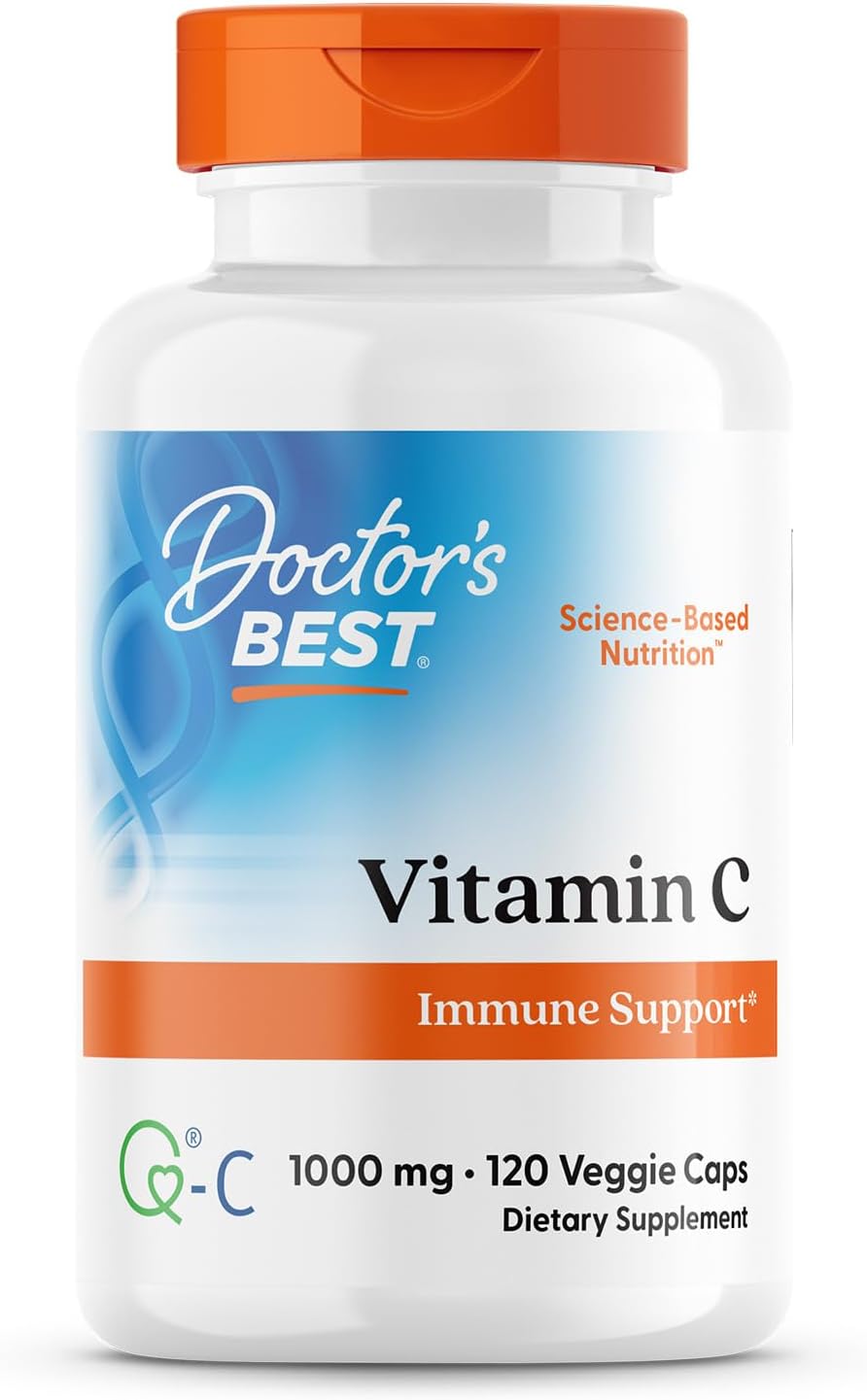
Doctor’s Best Vitamin C with Quali-C is one of the most trusted and highly rated Vitamin C supplements on Amazon. Made with premium Quali-C European vitamin C, it delivers strong antioxidant and immune support in a clean non-GMO formula trusted by thousands of users.
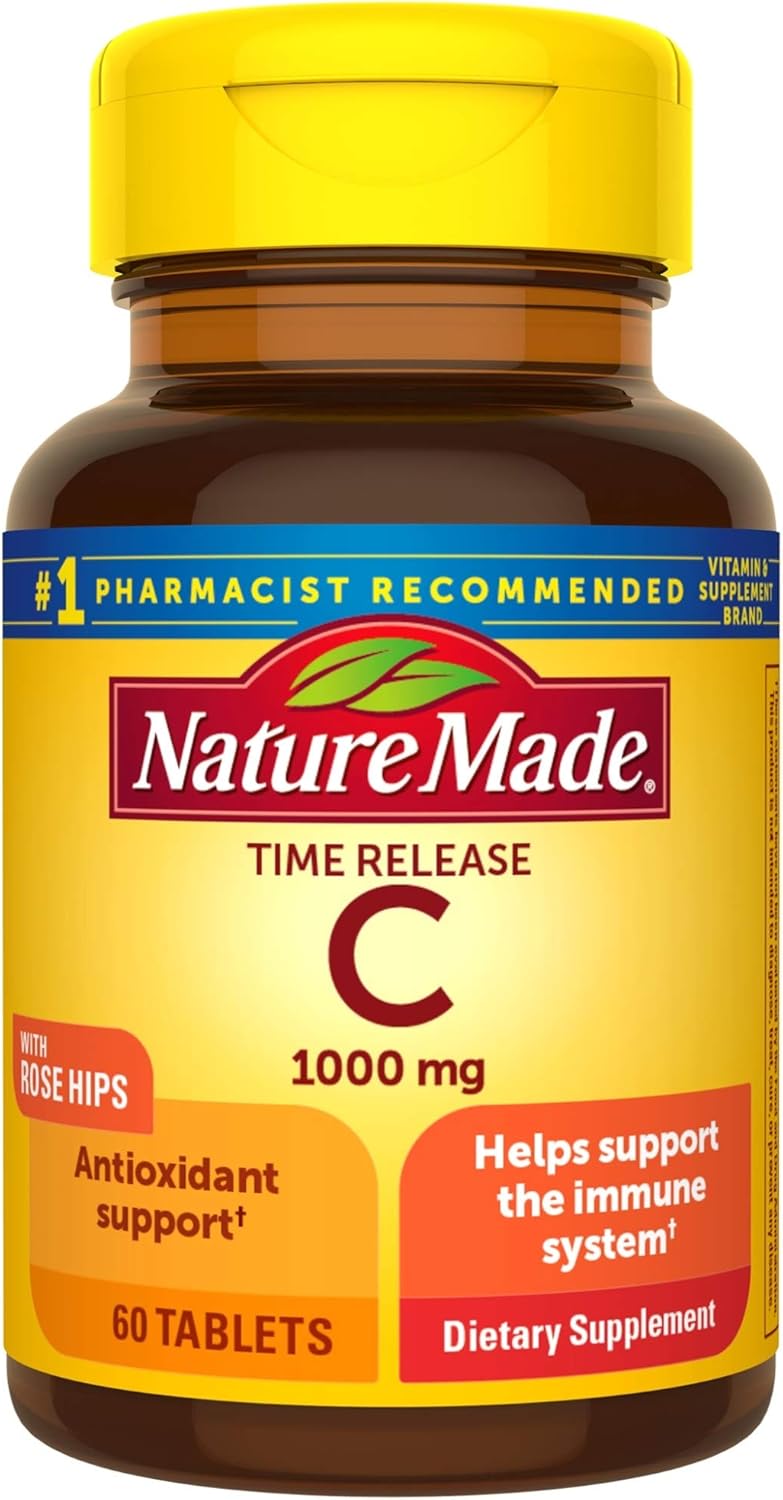
Nature Made Vitamin C 1000 mg is one of Amazon’s best-selling Vitamin C supplements with extremely high ratings and thousands of verified reviews. USP verified for quality and potency, it delivers a strong daily antioxidant dose for immune and overall wellness support.
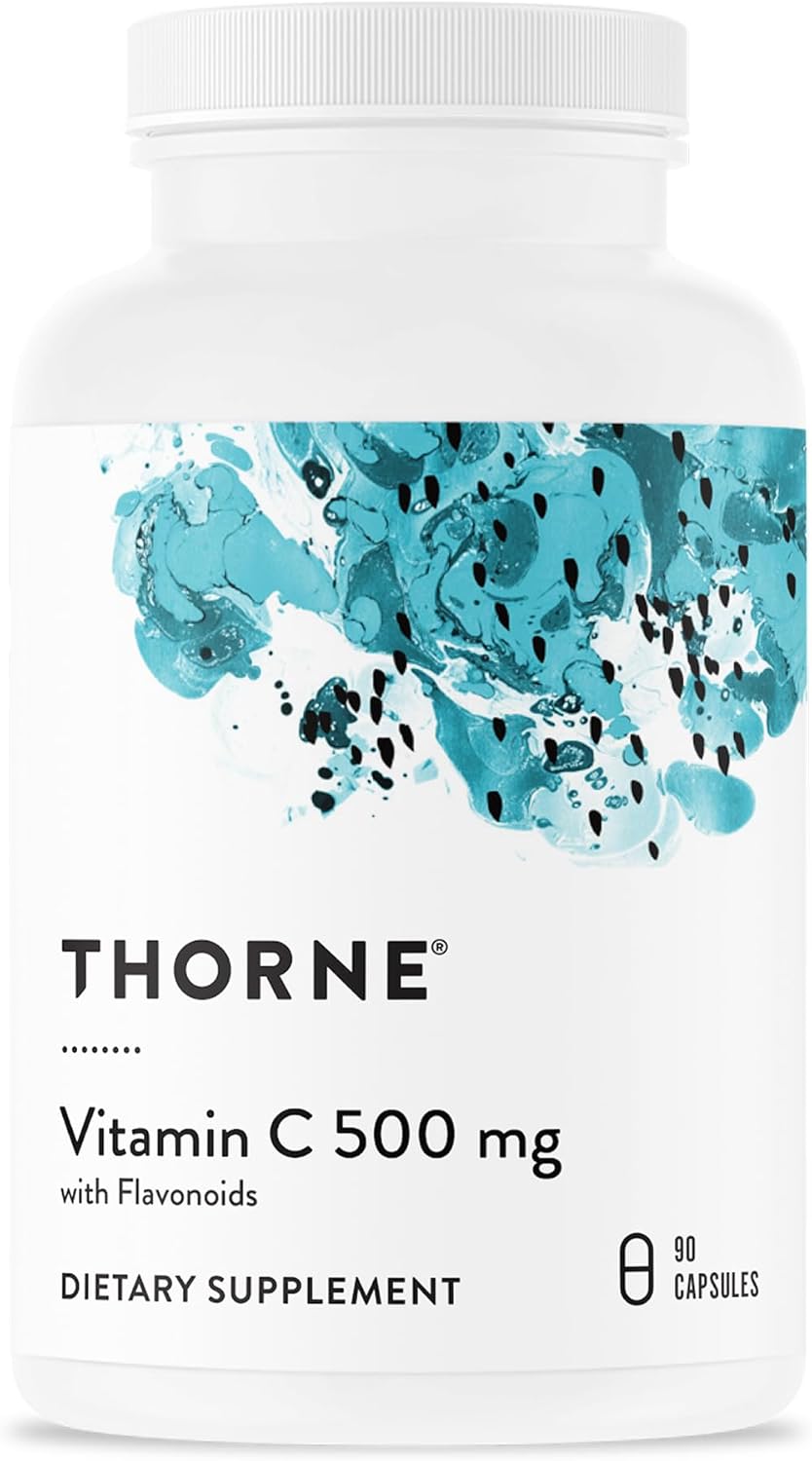
Thorne Vitamin C with Flavonoids is one of the highest-quality Vitamin C supplements available. Third-party tested for purity and potency, it combines 500 mg of Vitamin C with citrus bioflavonoids for enhanced absorption and antioxidant support. A trusted premium brand often recommended by health professionals.