
This article contains affiliate links. If you buy through them, SFNPro may earn a commission at no additional cost to you.
The best calcium supplements should fill a real dietary shortfall, not add calcium you already get enough of. Calcium is an essential mineral, but a supplement isn’t automatically necessary just because it supports bone health. Your needs depend on your age, diet, and overall health.
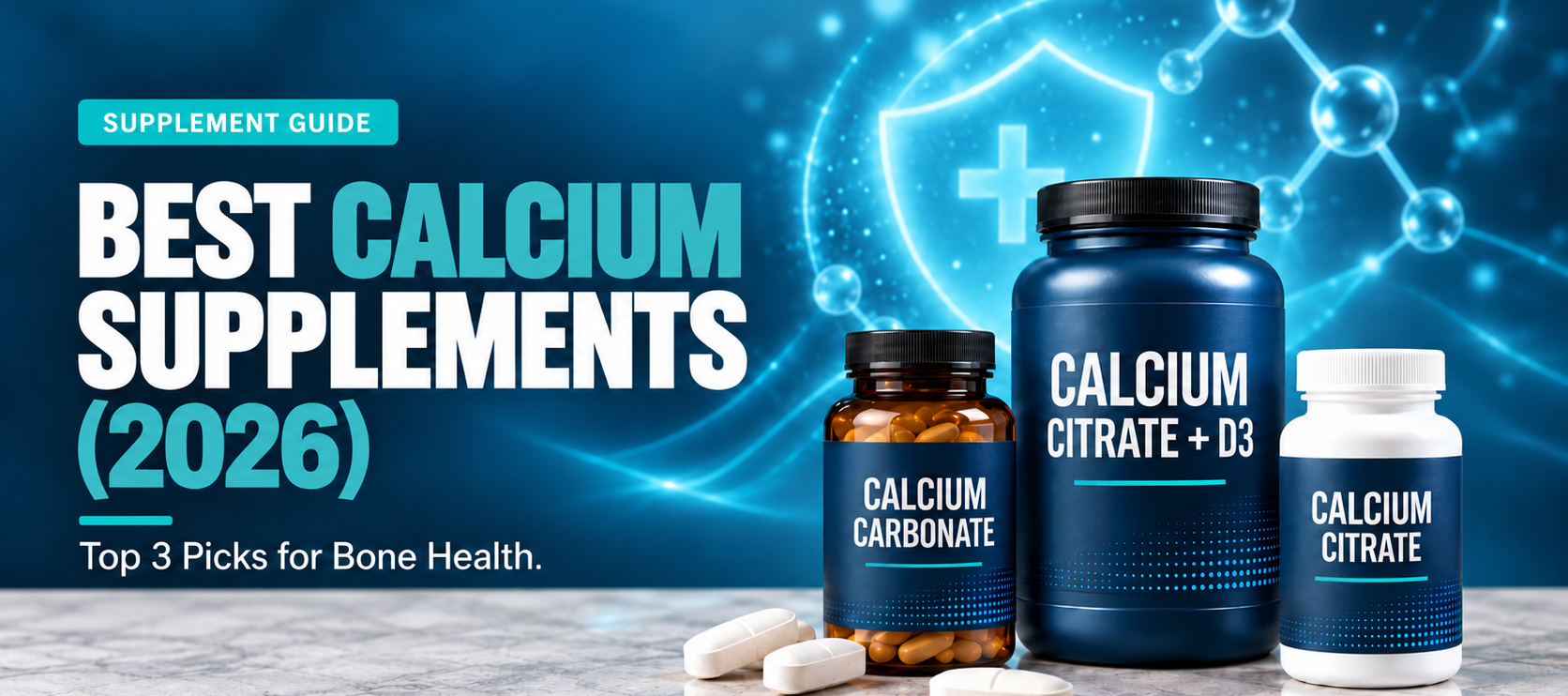
This guide compares three options from our calcium supplement guide and explains what to look for in a product. These are options to compare, not a clinical ranking or a claim that one product is right for everyone.
Recommended daily calcium intake depends on age and sex. For most adults ages 19–50, the recommended amount is 1,000 mg per day. Men ages 51–70 also need 1,000 mg per day, while women in that age group need 1,200 mg. Adults ages 71 and older need 1,200 mg per day.
These amounts include calcium from food, beverages, and supplements. Milk, yogurt, cheese, canned fish with bones, some leafy greens, and fortified foods can all contribute. Check labels on plant-based drinks and other fortified products, since calcium amounts vary.
Estimating your food intake is a useful first step when comparing the best calcium supplements. If you’re already close to your recommended amount through food, you may need little or no supplemental calcium. The Bone Health and Osteoporosis Foundation recommends getting calcium from food where possible and using supplements to make up a shortfall.
Calcium carbonate and calcium citrate are two common forms in supplements. Calcium carbonate is generally absorbed best with food. Calcium citrate can be taken with or without food and may be easier to absorb for people with low stomach acid.
The amount listed as calcium on the Supplement Facts panel is the amount to compare. Also check the serving size: a product may require more than one tablet or capsule to provide the amount shown.
The best calcium supplements can use different forms, so consider how and when you prefer to take them. Calcium is absorbed more efficiently in amounts of about 500 mg or less at one time. If you take a larger supplemental amount, splitting it across the day may be worth discussing with a healthcare professional.
Use these points to compare the best calcium supplements against your own routine:
The best calcium supplements differ in form, amount per serving, and added nutrients. The options below offer different combinations to compare; check the linked product’s current label before buying.
View Nature Made Calcium 600 mg with Vitamin D3
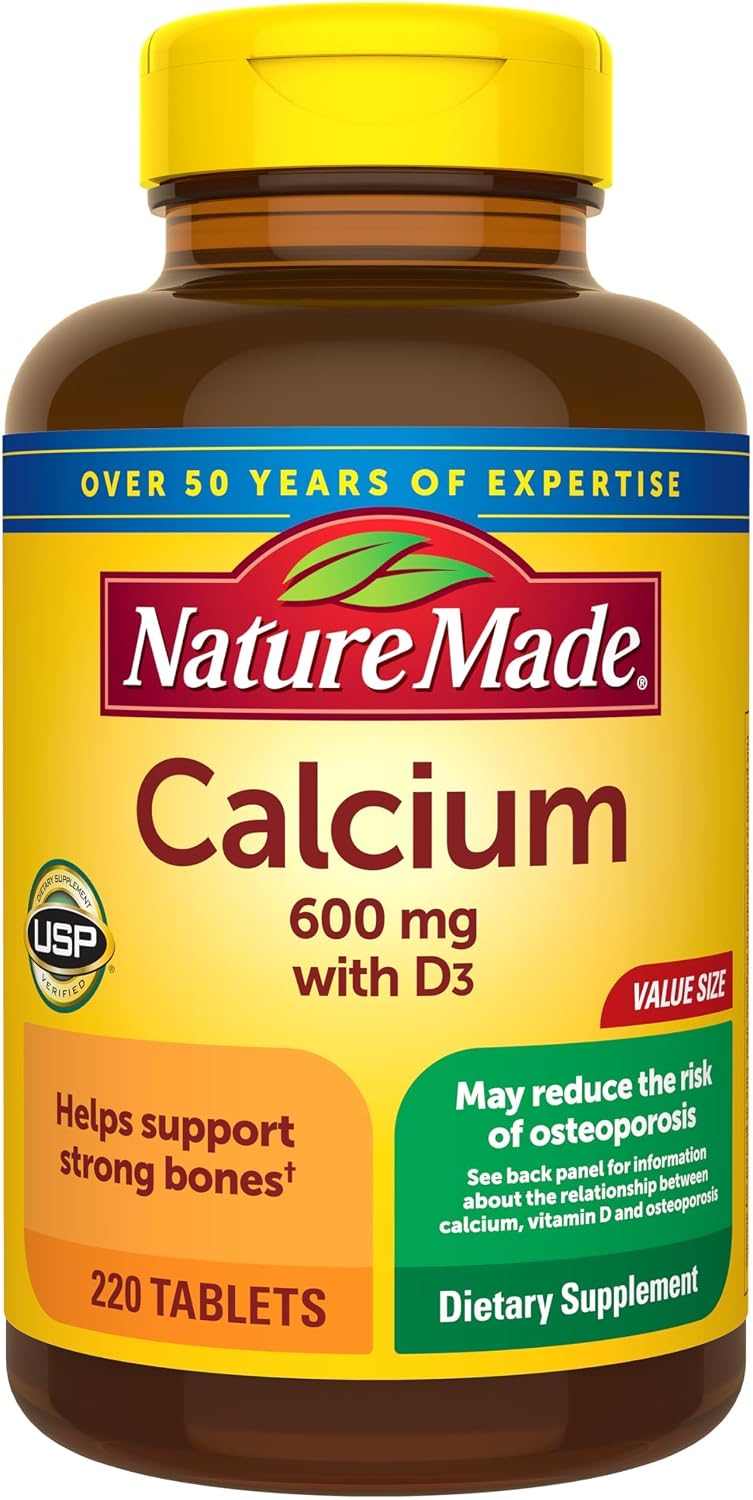
This tablet provides 600 mg of calcium and 400 IU of vitamin D3 per tablet. Nature Made lists the product as USP Verified. For shoppers comparing the best calcium supplements, this option pairs calcium with vitamin D3 in one tablet. Check the package directions and consider how the 600 mg serving fits with the calcium you get from food.
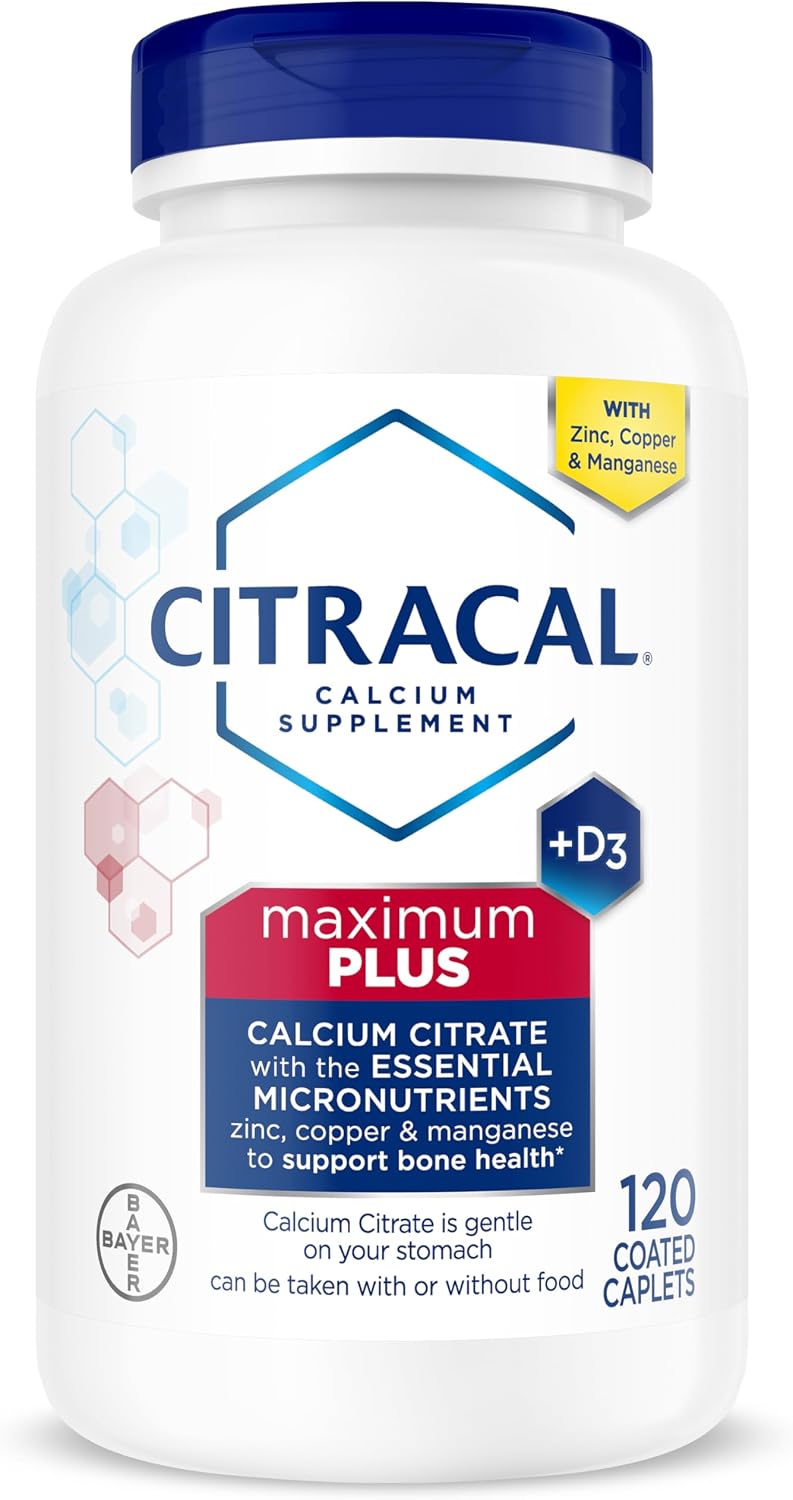
Citracal Maximum Plus provides 650 mg of calcium as calcium citrate and 1,000 IU of vitamin D3 per two-caplet serving. It also includes zinc, copper, and manganese. The manufacturer says it can be taken with or without food and lists a direction of two caplets twice daily. This is one of the best calcium supplements to compare if you prefer calcium citrate with added vitamin D3. Follow the directions on the package you receive.
View Pure Encapsulations Calcium (Citrate)
This is a calcium citrate product without added vitamin D listed in the product information. The manufacturer suggests taking two capsules one to three times daily, with or between meals. It’s one of the best calcium supplements to consider if you want citrate without added vitamin D. Confirm the calcium amount and directions on the current bottle label, since labels and product listings can vary.
Even the best calcium supplements should be used only when they fit your needs and medication schedule. High total calcium intake can exceed the recommended upper limit, which includes food, drinks, and supplements. NIH lists upper limits of 2,500 mg per day for adults ages 19–50 and 2,000 mg for adults ages 51 and older.
Calcium supplements can cause gas, bloating, or constipation in some people. Taking smaller amounts at a time or changing the form may help, but check with a healthcare professional if symptoms persist.
Calcium can also affect how some medicines are absorbed. For example, calcium carbonate can interfere with levothyroxine absorption, and some antibiotics may need to be separated from calcium. The timing depends on the specific medicine, so ask a pharmacist or prescriber about your own medication schedule before starting a supplement.
Not necessarily. Dairy is one source of calcium, but the amount you need depends on your whole diet and age. Estimate your daily intake first, then consider whether a supplement would fill a shortfall.
Neither form is universally better. Calcium carbonate is usually taken with food, while calcium citrate can be taken with or without food. Your preferences, tolerance, and health circumstances can help guide the choice.
Calcium is absorbed more efficiently in amounts of about 500 mg or less at a time. Check the serving size and total amount, and ask a healthcare professional if you’re unsure how to divide a supplement.
The best calcium supplements for you are the ones that safely fill your dietary shortfall. Compare the elemental calcium per serving, form, added nutrients, and directions on the current label. If you’re unsure whether you need a supplement or how to time it with medication, ask a healthcare professional or pharmacist.
Explore more supplement guides for help comparing products and ingredients.
Team SFN
The best overall value: 600 mg of calcium carbonate plus vitamin D3 in a USP Verified formula, and one of the most-reviewed calcium supplements on Amazon. Carbonate absorbs best with a meal.
The best overall value: 600 mg of calcium carbonate plus vitamin D3 in a USP Verified formula, and one of the most-reviewed calcium supplements on Amazon. Carbonate absorbs best with a meal.
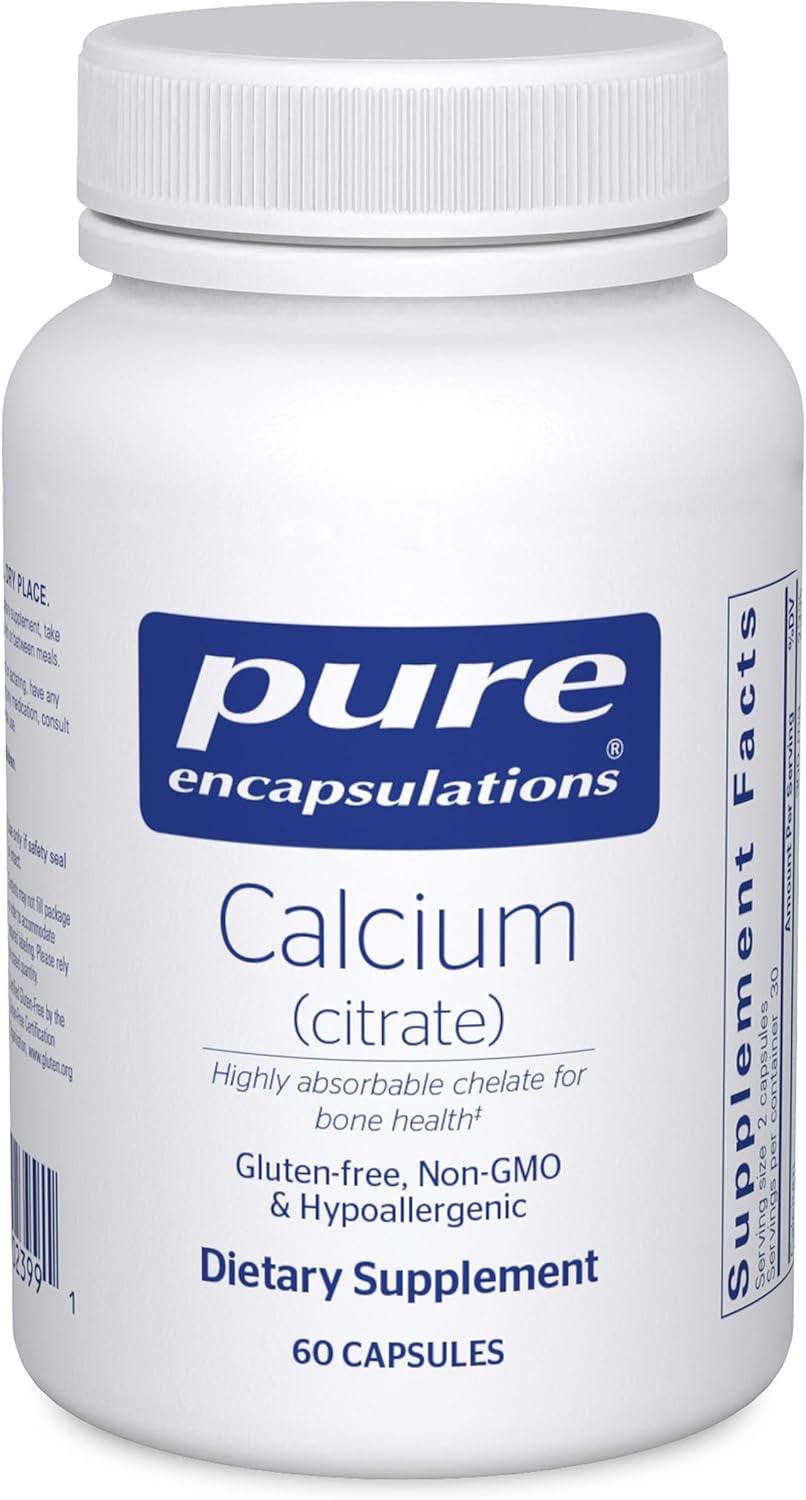
A clean, single-ingredient calcium citrate with no added vitamin D, so you control your D intake. Easy to pair with a separate vitamin D3.