Probiotics vs prebiotics is one of the most confusing matchups in the supplement aisle. The names differ by a single letter, the labels use similar language, and plenty of products blur the line by containing both. Here’s the short version: probiotics are live bacteria you add to your gut, and prebiotics are the fiber that feeds the bacteria already there.
This probiotics vs prebiotics guide breaks down how each one works, how they differ, when you need one, the other, or both, and which picks are worth considering in 2026.
Probiotics vs Prebiotics: The Quick Difference
Think of your gut as a garden. Probiotics are new seeds you plant, and prebiotics are the fertilizer that helps everything growing there, new and old, thrive. Neither replaces the other, which is why the real question in probiotics vs prebiotics isn’t “which one wins” but “which one are you missing?”
| |
Probiotics |
Prebiotics |
| What it is |
Live beneficial microorganisms (bacteria or yeast) |
Non-digestible fiber that feeds beneficial bacteria |
| Its job |
Adds specific strains to your gut |
Feeds the bacteria already living there |
| Food sources |
Yogurt, kefir, sauerkraut, kimchi |
Garlic, onions, leeks, asparagus, bananas, oats |
| Supplement form |
Capsules, labeled by CFU count and strain |
Powders: inulin, acacia fiber, PHGG |
| Main trade-off |
Effects depend on the specific strain, and not every product delivers |
Can cause gas and bloating if you increase too fast |
| Good starting point if |
You want to add specific strains to your routine |
You want to support the bacteria you already have |
What Are Probiotics?
Probiotics are live microorganisms that, in adequate amounts, may offer a health benefit. Most supplements use strains of Lactobacillus and Bifidobacterium, and the dose is measured in CFUs (colony-forming units), the number of live organisms per serving.
Two things matter more than the headline number:
- The strain. Benefits are strain-specific. A strain studied for one purpose doesn’t automatically do the same thing as its cousin. A label that names the exact strain (like Lactobacillus rhamnosus GG) tells you far more than one that just says “probiotic blend.”
- Survival. Bacteria are only useful if they’re alive when you take them, so look for CFU counts guaranteed through the expiration date, not just at the time of manufacture.
The NIH Office of Dietary Supplements notes in its consumer fact sheet that not every product labeled “probiotic” has proven benefits, which is exactly why strain and quality matter. Our best probiotic supplement guide goes deeper on choosing between formulas.
What Are Prebiotics?
Prebiotics are fibers your body can’t digest. They travel to the colon intact, where gut bacteria ferment them into short-chain fatty acids, compounds that feed your colon cells and support digestion.
Not all prebiotic fiber behaves the same way:
- Inulin/FOS is the most researched, but it ferments quickly and can cause gas at higher doses.
- Acacia fiber ferments more slowly and is easier on most stomachs.
- PHGG (partially hydrolyzed guar gum) is the slowest-fermenting and the most tolerable for sensitive digestion.
You’ll find the full breakdown in our best prebiotic supplements guide.
How Probiotics and Prebiotics Work Together
When a probiotic and a prebiotic are combined, the pairing is sometimes called a synbiotic. The logic is simple: the probiotic brings the bacteria and the prebiotic gives them something to eat.
You’ll notice many probiotic supplements already include a small prebiotic. Culturelle Digestive Daily, for example, adds 200mg of inulin to its probiotic strain. That’s helpful, but it’s a small amount compared with the 3–10g per day typically used in prebiotic research, so a built-in prebiotic is a bonus, not a replacement for a dedicated fiber source. That’s why probiotics vs prebiotics isn’t really an either-or choice.
Probiotics vs Prebiotics: Which Do You Need?
There’s no universal answer, but these situations point in different directions:
- Start with a probiotic if you want to add specific, well-studied strains and your diet already includes decent fiber.
- Start with a prebiotic if you fall short on daily fiber, already eat fermented foods, or want a gentler, lower-cost entry point into gut support.
- Take both if you want the complete approach: bacteria plus the fuel they run on. This is the most common recommendation for general gut support.
If you have a specific digestive condition, a doctor can tell you which is right for you. The answer isn’t the same for everyone.
How to Choose: Probiotics vs Prebiotics Supplements
For probiotics, look for:
- Named strains, listed down to the strain level, not just the species
- CFUs guaranteed through expiration, not just at manufacture
- Third-party testing (NSF, USP, or similar) to confirm what’s on the label is in the bottle
- Storage that fits your life, since some formulas need refrigeration and others are shelf stable
For prebiotics, look for:
- A named fiber type (inulin, acacia, PHGG) rather than a vague “prebiotic blend”
- A meaningful dose of at least 3g per serving
- No added sugars or fillers
- Low FODMAP certification if you’re sensitive to fermentable fibers
How to Take Them (and Avoid Gut Drama)
- Introduce one at a time. If you’re starting both, begin with one for a week or two before adding the other, so you know what’s causing any change.
- Go slow with fiber. Begin with 2–3g of prebiotic per day and build up over 1–2 weeks.
- Drink water with your prebiotic. Fiber needs fluid to move comfortably.
- Follow the label for your probiotic. Some are best with food, some without, and some need refrigeration.
- Be consistent. Give it 2–4 weeks before judging results, because gut changes aren’t instant.
Common Myths About Probiotics vs Prebiotics
“They’re the same thing.” They work together, but they’re different: probiotics are the live bacteria, prebiotics are the food.
“A higher CFU count is always better.” Not necessarily. The strain and its survival matter more than the biggest number on the front of the bottle.
“Probiotics permanently move into your gut.” Research suggests many supplemental strains pass through rather than settling in for good, which is why consistent use matters more than a single course.
“If I take a probiotic, I can skip fiber.” Bacteria still need fuel. Without enough fiber in your diet or a prebiotic, even a great probiotic has less to work with.
Who Should Be Cautious
The probiotics vs prebiotics question looks different for sensitive guts, so a few groups should check with a doctor first. Both are generally well tolerated, but probiotics might not be safe for everyone, particularly people with weakened immune systems or serious illness. Prebiotics, especially fast-fermenting ones like inulin, can worsen symptoms in people with IBS or SIBO, where slower options like PHGG are usually better tolerated. And anyone starting high-dose fiber for the first time should expect an adjustment period.
Best Picks by Goal: Probiotics vs Prebiotics
Best probiotic for a simple daily routine – Culturelle Digestive Daily Probiotic pairs a well-known strain (Lactobacillus rhamnosus GG) with a small prebiotic and guarantees its CFU count through the expiration date.
Best probiotic for variety – Physician’s Choice Probiotics 60 Billion CFU offers 10 strains plus organic prebiotics, is shelf stable, and is suitable for both men and women.
Best probiotic for women – Garden of Life Dr. Formulated Probiotics for Women delivers 16 strains with organic prebiotics, and it’s NSF certified.
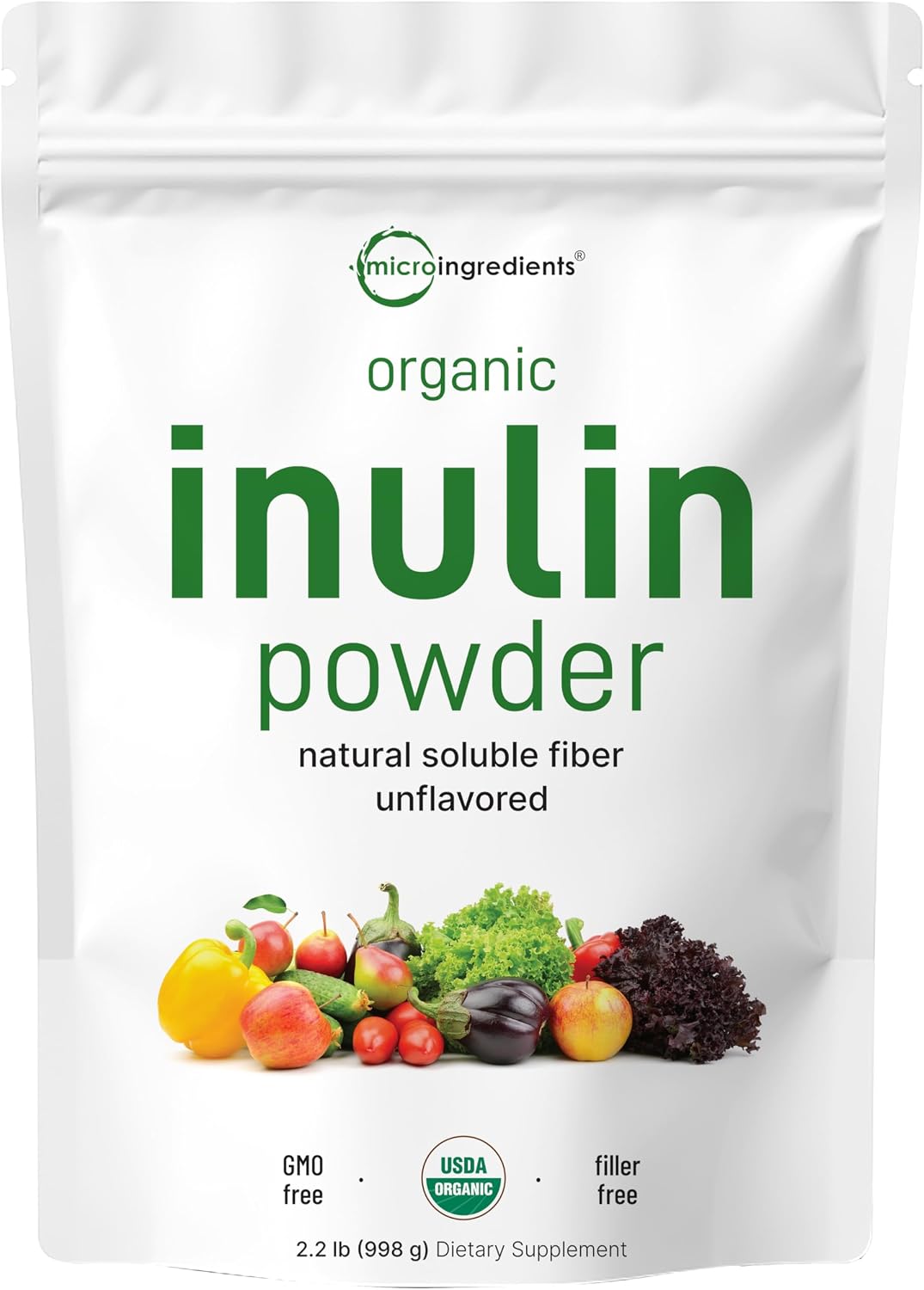
Best prebiotic for the strongest research – Micro Ingredients Organic Inulin FOS Powder uses the most clinically studied prebiotic fiber.
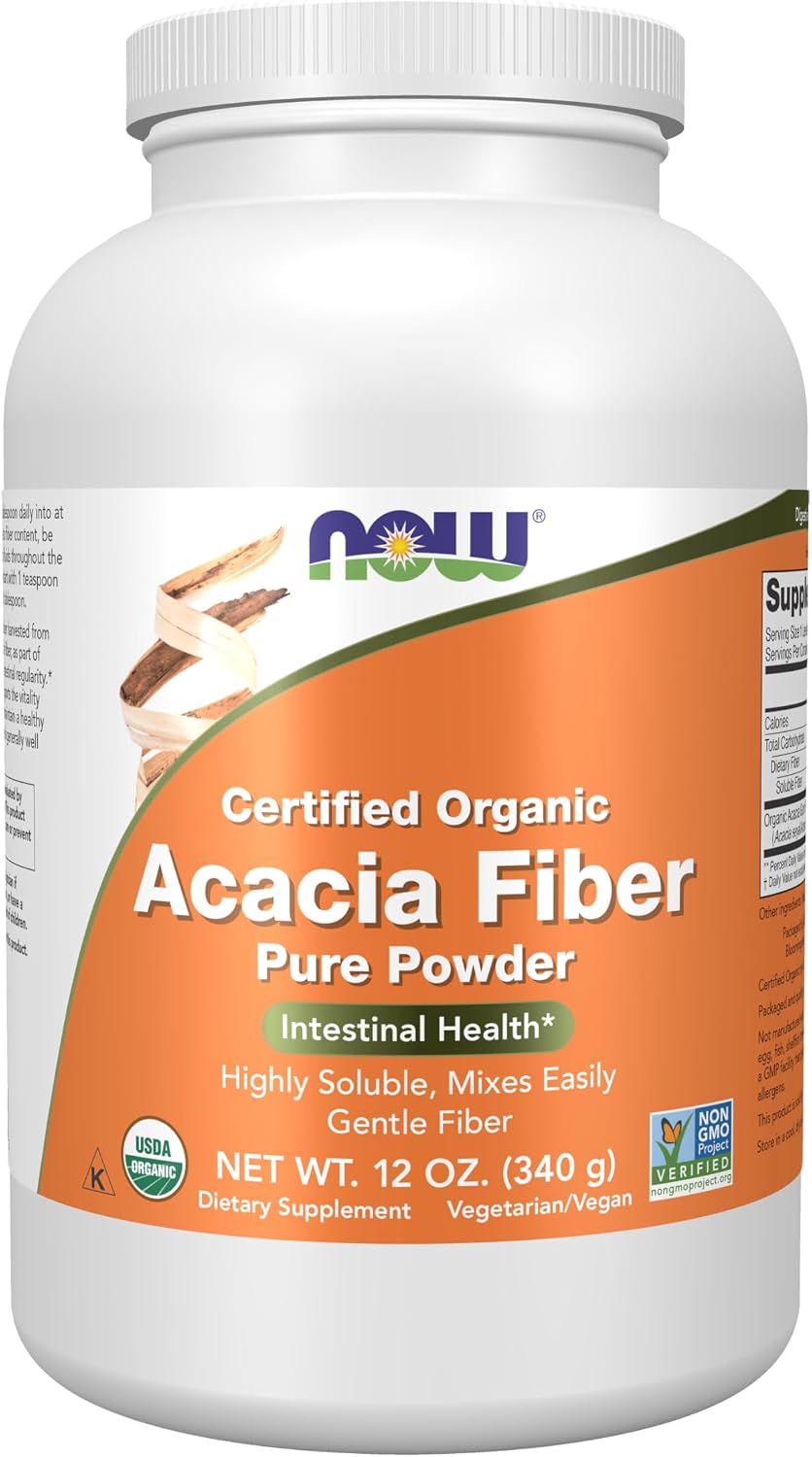
Best prebiotic for beginners – NOW Foods Acacia Fiber Powder is gentle, slow-fermenting, and mixes easily into any drink.
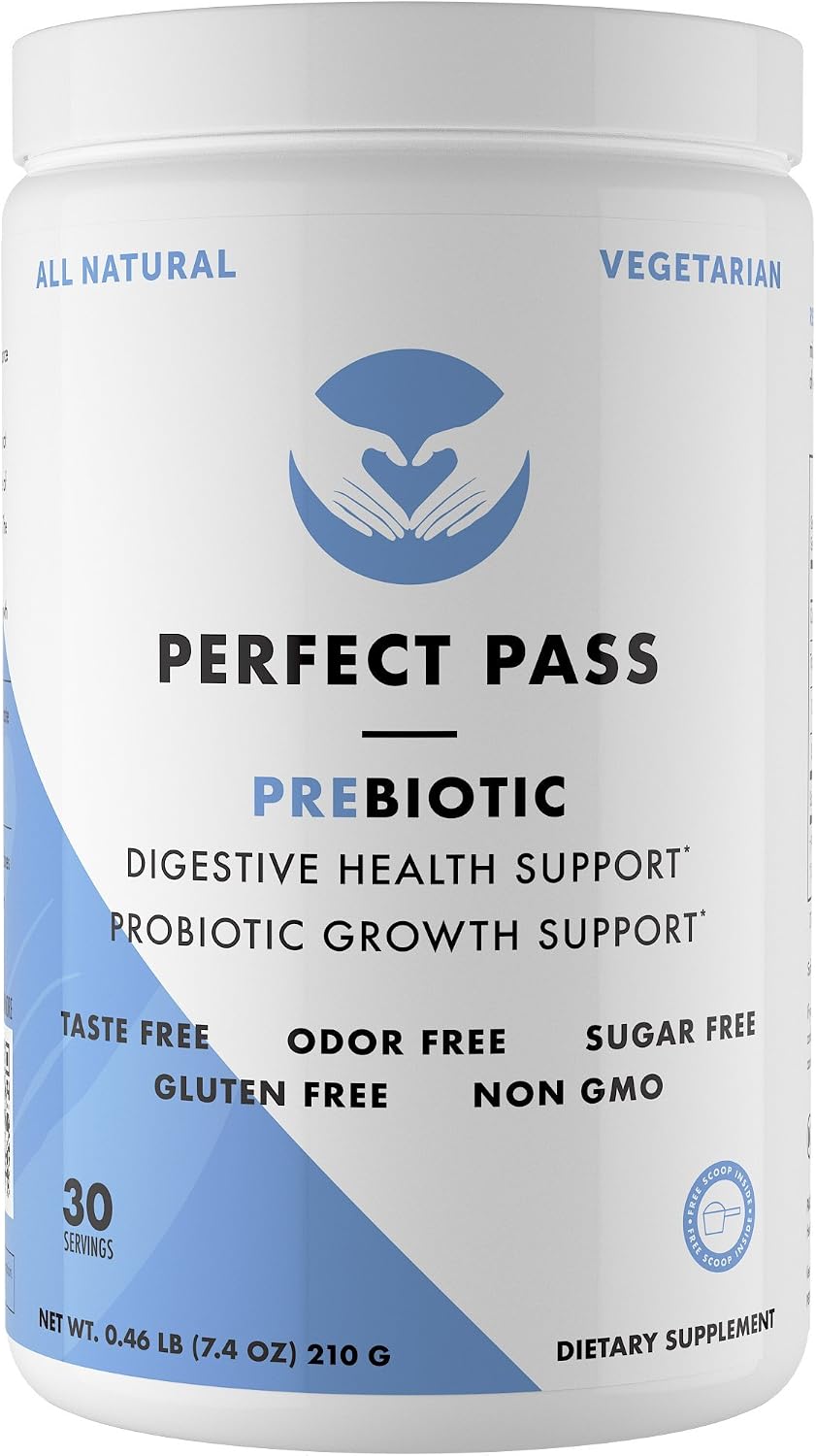
Best prebiotic for sensitive stomachs – PERFECT PASS Prebiotic PHGG is low FODMAP certified and the easiest to tolerate.
A simple starter pairing: one probiotic from our probiotics page plus one prebiotic from our prebiotics page, added one at a time. Whichever side of probiotics vs prebiotics you start on, add the second one gradually. For the bigger picture, our guide to the best supplements for gut health shows how magnesium and omega-3 fit in too.
FAQ
What is the main difference in probiotics vs prebiotics? Probiotics are live bacteria that you add to your gut, while prebiotics are fiber that feeds the bacteria already there.
Can I take probiotics and prebiotics together? Yes. That combination is the most common approach, since the prebiotic feeds the bacteria the probiotic introduces.
Which should I take first? If you’re starting both, introduce one at a time over a week or two. Many people begin with the one that matches their biggest gap: bacteria diversity (probiotic) or fiber intake (prebiotic).
What’s the difference between a prebiotic and fiber? All prebiotics are fiber, but not all fiber is prebiotic. True prebiotics are used selectively by beneficial bacteria.
Do I need both if I eat fermented foods and lots of vegetables? Possibly not. Food sources count, and a diet rich in both can cover much of what supplements provide. Supplements fill the gaps.
How long until I notice a difference? Most people give it 2–4 weeks of consistent daily use before judging results.
Our Verdict
In the probiotics vs prebiotics debate, nobody loses. Probiotics add the bacteria, prebiotics feed them, and the two work best as a team. If you can only start with one, choose based on your gap: a quality, strain-specific probiotic if you want to add bacteria, or a gentle prebiotic if you want to support the ones you already have. Introduce them gradually, give them a full month, and let your gut tell you what works. That’s the real answer to probiotics vs prebiotics.
Team SFN.